

Why Patient Experience Matters in Dentistry
Successful dental care is not based only on the procedure performed. It is also shaped by how patients are treated before, during, and after their appointments.
A patient may receive technically appropriate care but still leave feeling confused, ignored, rushed, or uncomfortable. Another patient may feel heard, understand the treatment plan, know what to expect, and feel confident about returning.

That difference is the dental patient experience—and it matters at every stage of care.
What Does Patient Experience in Dental Care Include?
Patient experience includes all the interactions a person has with a dental practice. It begins when the patient searches for information or calls to schedule and continues through check-in, examination, treatment, payment, aftercare, and follow-up.
According to the Agency for Healthcare Research and Quality, patient experience includes factors that people value when receiving healthcare, such as timely appointments, access to information, respectful treatment, good communication, and shared decision-making. Patient experience is related to—but different from—patient satisfaction. Experience examines what actually occurred, while satisfaction is influenced by whether personal expectations were met. (AHRQ)
In a dental office, patient experience may be shaped by:
- How easy it is to schedule an appointment
- Whether the team welcomes questions
- How clearly dental findings are explained
- Whether the patient feels respected
- How the practice responds to anxiety or discomfort
- Whether treatment choices and costs are transparent
- How well aftercare is communicated
- Whether the office follows up when appropriate
Each interaction contributes to the patient’s overall confidence in the practice.
Trust Begins Before the Patient Sits in the Dental Chair
For many people, visiting the dentist can feel personal and vulnerable. Patients may be worried about pain, cost, embarrassment, or what the dentist may find.
A calm and respectful first interaction can reduce some of that uncertainty. Helpful scheduling, clear instructions, accurate appointment information, and a warm welcome all show the patient that the office values their time and concerns.
Trust continues to develop when the dentist listens without interrupting, asks about the patient’s goals, and takes concerns seriously. Patients should never feel embarrassed for asking questions or explaining that they are nervous.
A family dentist who earns trust is more likely to become a long-term partner in the patient’s oral health.
Clear Communication Helps Patients Make Informed Decisions
Dental terminology can be confusing. Words such as “periodontal,” “occlusal,” “endodontic,” or “restorative” may be familiar to the dental team but unclear to the patient.
A patient-focused dentist translates clinical information into straightforward language. The dentist should explain:
- What was found
- Why it matters
- Whether treatment is urgent
- What options are available
- What each option involves
- Expected benefits and limitations
- Estimated treatment time
- Likely aftercare
- Expected fees and payment choices
Visual aids, dental images, models, and written instructions can make explanations easier to understand.
Another useful communication approach is teach-back. Instead of asking only, “Do you understand?” the provider invites the patient to explain the plan in their own words. AHRQ reports that teach-back can improve patient understanding and adherence while supporting satisfaction and outcomes. (AHRQ)
The goal is not to test the patient. It is to confirm that the dental team explained the information clearly.
Comfort Is More Than a Relaxing Office
When people search for a comfortable dentist, they may imagine a welcoming reception area or a friendly team. Those details matter, but clinical and emotional comfort go further.
A comfortable dental visit may include:
- Explaining what will happen before beginning
- Checking whether the patient is adequately numb
- Allowing a patient to request a short break
- Agreeing on a stop signal
- Protecting privacy
- Avoiding judgmental language
- Moving at an appropriate pace
- Discussing anxiety before treatment
- Giving clear aftercare instructions
Comfort does not mean avoiding necessary treatment. It means helping the patient receive appropriate care in a way that feels respectful, manageable, and safe.
Personalized Care Makes Treatment More Relevant
Two people with similar dental problems may not need identical treatment plans.
A dentist should consider the patient’s oral health, age, medical history, previous dental work, comfort level, functional needs, appearance goals, schedule, and financial circumstances.
For example, one patient may prioritize completing treatment quickly, while another may need treatment divided into stages. One person may be concerned primarily about pain, while another may be most worried about appearance or cost.
Personalized care allows the patient and dentist to build a plan that is clinically appropriate and realistic for the patient’s life.
Financial Clarity Is Part of the Patient Experience
Uncertainty about cost can make dental care stressful.
Before treatment is scheduled, patients should receive understandable information about estimated fees, insurance benefits when applicable, likely out-of-pocket expenses, and available payment choices.
The financial discussion should be handled respectfully and privately. Patients should also have an opportunity to ask whether treatment can be completed in phases or whether financing options are available.
Clear financial communication helps patients make decisions with fewer surprises and greater confidence.
Every Member of the Dental Team Matters
Patient experience is not created by the dentist alone.
The front-office team may be the patient’s first and last point of contact. Dental assistants help patients understand what will happen and often notice when someone appears nervous. Hygienists play an important role in preventive education, comfort, and long-term relationships.
A consistent experience requires the entire practice to communicate well. Information shared during scheduling should reach the clinical team. Treatment instructions should match what was discussed. Questions about billing, follow-up, or emergencies should be directed to the right person.
When the team works together, care feels organized rather than fragmented.
A Positive Experience Can Support Long-Term Oral Health
Patients who feel respected and informed may be more comfortable returning for routine care, reporting symptoms, asking questions, and following treatment instructions.
AHRQ notes that positive components of patient experience—particularly good clinician-patient communication—are associated with improved adherence and several healthcare processes and outcomes. These associations do not mean experience is the only factor affecting results, but they show why it is an important part of overall care quality. (AHRQ)
Continuity is especially important in dentistry because some oral health concerns may not cause obvious pain or visible symptoms during their early stages. Routine professional evaluations give the dentist an opportunity to identify changes and discuss individual risks. (CDC)
Signs of a Patient-Focused Dental Practice
A patient-centered dental office generally demonstrates several qualities:
- The team listens before recommending treatment.
- Information is explained in understandable language.
- Patients have time to ask questions.
- Treatment options and costs are reviewed in advance.
- Comfort concerns are taken seriously.
- The office provides clear appointment and aftercare instructions.
- Patients are involved in decisions about their care.
- The team follows up when appropriate.
- Feedback is welcomed and handled professionally.
No dental practice can remove every inconvenience or guarantee that every procedure will feel effortless. However, a strong practice should consistently demonstrate respect, transparency, communication, and concern for the individual patient.
Patient-Centered Dentistry at Pinellas Family Dental
Pinellas Family Dental states that its team focuses on individualized care, patient comfort, comprehensive treatment, and open communication. The practice encourages patients to discuss their concerns and ask questions so that care can be tailored to their circumstances and goals. (dentalflorida.com)
The practice serves Largo and surrounding Florida communities with preventive, pediatric, restorative, cosmetic, implant, emergency, and other dental services. (dentalflorida.com)
To schedule a visit or speak with the team, call (727) 518-8349.
Frequently Asked Questions
Is patient experience the same as patient satisfaction?
No. Patient experience looks at whether important parts of care occurred, such as timely access, clear communication, respectful treatment, and involvement in decisions. Satisfaction is influenced by an individual’s expectations and whether those expectations were met. (AHRQ)
How can a dentist help patients feel more comfortable?
A dentist can explain each step, listen to concerns, use understandable language, establish a stop signal, check comfort during treatment, provide appropriate pain-control options, and allow reasonable breaks.
What can patients do to improve their dental experience?
Patients can provide an accurate medical history, explain previous dental experiences, mention anxiety when scheduling, prepare questions, ask for clarification, and speak up about discomfort. Open communication gives the dental team more information to personalize care.
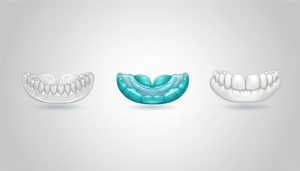
Custom Sports Mouthguards vs. Store-Bought: Which Is Better?
In a sporting-goods store or if you browse online you can find a wide variety of mouthguards. A few are taken straight from the package,

Bleeding Gums Aren’t Normal: 7 Signs of Gum Disease You Shouldn’t Ignore
While you are brushing your teeth, you notice a small amount of pink in the sink. It’s easy to ignore, especially if your gums aren’t

Gum Disease and Heart Health: What’s the Connection?
If you’re considering ways of looking after your heart, it’s probably not the first thing that comes to mind to brush and floss. However, since

How to Overcome Dental Anxiety: Practical Tips for a Calmer Visit
Feeling nervous about dental treatment is nothing to be embarrassed about. A fear of the dentist can range from mild uneasiness before an appointment

Why Patient Experience Matters in Dentistry
Why Patient Experience Matters in Dentistry Successful dental care is not based only on the procedure performed. It is also shaped by how patients are

Cherry Financing for Dental Care: Get the Treatment You Need and Pay Over Time
Dental care impacts more than just your teeth. It influences your comfort, confidence, and overall health. Still, paying for treatment all at once can be