

Stress manifests itself in your sleep, appetite, mood, energy, and even your smile. Headaches are a frequent symptom of stress, but their link to oral health is less well-known.
Your mouth signals when your body is stressed. Stressful periods bring jaw soreness, tooth sensitivity, dry mouth, or gum changes. Stress isn’t always the cause, but it’s a major factor.
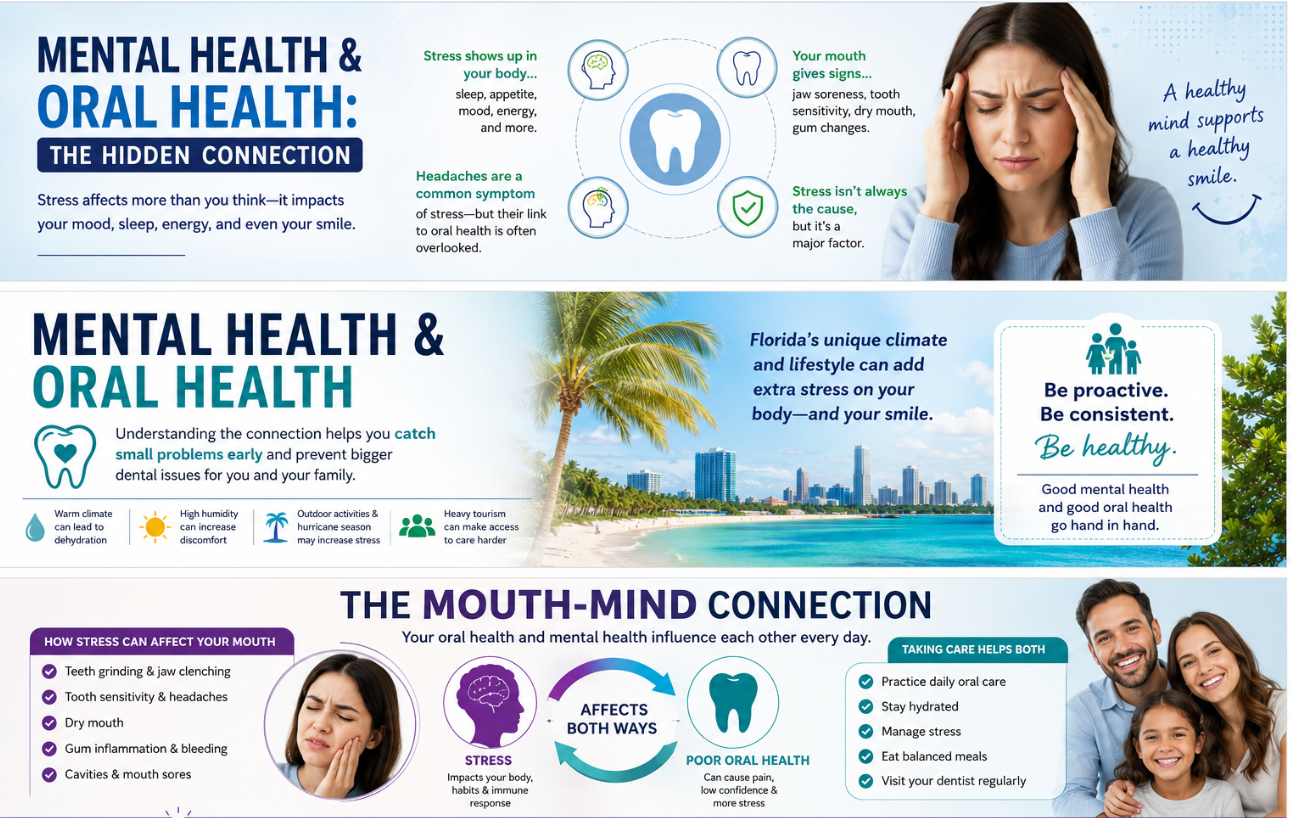
If you are in Florida looking for trusted dental care for your family, understanding the connection between mental and oral health can help you recognize minor problems earlier and prevent bigger dental issues. Florida’s climate and lifestyle are unique and have additional considerations. Dehydration or stress may be greater here due to the warm climate, high humidity, and many outdoor activities during hurricane season or during periods of heavy tourism. Understanding these local factors can help you and your family be even more proactive about oral care.
The Mouth-Mind Connection
Mental health and oral health are interrelated in several ways. Stress can cause muscle tension, changes in sleep, inflammation, or disruption of your daily routine. These changes can impact your teeth, gums, jaw, and saliva.
Stress can get in the way of positive habits. When you’re busy, brushing, flossing, drinking water, eating balanced meals or visiting the dentist may slip down your priority list. Over time, these changes increase the risk of plaque buildup, gum irritation, cavities, and mouth discomfort.
The opposite also holds. Dental pain, tooth damage, foul breath, or missing teeth can affect confidence, social ease, sleep, and quality of life. That’s why taking care of your mouth isn’t just about looks; it’s about your health. Remember, neglecting your oral health can have long-lasting emotional and physical effects.
How Stress Affects Your Teeth
Jaw Clenching and Grinding of Teeth
Bruxism, or teeth grinding, is a common dental problem caused by stress. Some grind their teeth at night; others clench their jaw during the day, often when concentrating, driving, or under pressure.
Most patients are unaware of grinding until symptoms appear. Signs include morning jaw soreness, headaches, tooth sensitivity, flattened or chipped teeth, or jaw joint pain.
Clenching stresses the teeth, gums, muscles, and jaw joints. Over time, it can wear enamel, strain dental work, and cause pain or bite problems.
Your dentist can check for wear patterns, tiny fractures, gum changes, or bite problems that suggest grinding or clenching. If you have sleep issues, we can refer you; otherwise, we offer a custom night guard, occlusal therapy, bite evaluation, and stress-management support.
Stress and your gums: Why bleeding and swelling can get worse
The Connection Between Stress and Gums
“Stress and gums” sounds like an odd combination, but the connection is significant. Gum tissue is sensitive to bacteria, inflammation, hygiene, tobacco use, nutrition, medical conditions, and the immune response. Ongoing stress can upset this state and lead to less consistent oral care.
Plaque at the gumline can make gums red, tender, swollen, or bleed when brushing or flossing. Early inflammation is reversible with professional treatment and better home care. If untreated, it can lead to gum disease that damages bone and supporting tissues.
Stress can also lead to behaviors that worsen gum problems, such as smoking, consuming more snacks, drinking more sugary or acidic beverages, or skipping dental cleanings. For patients who have gum disease, stressful periods can make symptoms feel more pronounced.
Look for bleeding gums, persistent foul breath, receding gums, loose teeth, pain when you chew, or a change in your bite. These symptoms require a dental evaluation. If these symptoms are present, quick action can prevent minor issues from developing into bigger problems, so regular self-checks and prompt treatment are vital.
Dry Mouth, Cavities, and Drugs for Mental Health
Saliva does more than moisten your mouth—it removes debris, repairs enamel, and curbs harmful bacteria. Dry mouth leaves you open to cavities, foul breath, sores, and infections.
Stress can dry out your mouth. Medications for anxiety, depression, blood pressure, allergies, and other conditions can also decrease saliva. Do not discontinue medication, but be sure to inform your dentist of all medications and supplements so your care can support your oral health. Ways to manage dry mouth caused by medicines include taking them earlier in the day, discussing possible alternatives or dose changes with your healthcare provider, and asking if medicines that affect saliva can be taken with more water. Your dentist and doctor can work together to find solutions that keep your overall health and oral comfort on track.
Drink water, limit sugary drinks, use alcohol-free rinses, chew sugar-free gum, and ask your dentist about dry mouth products.
How Dental Problems Can Affect Your Mental Health
Self-confidence is tied to dental health. Toothaches disturb sleep. Missing teeth affect chewing and speech. Social anxiety follows bad breath. Chips, stains, or gum problems make people hide their smiles.
Ignoring dental problems causes more stress in life. Fear, embarrassment, past experiences, or the cost may prevent some patients from visiting a dentist. A compassionate dental team should make patients feel informed, respected, and supported. If money is an issue, ask about payment plans, insurance coverage, or local community resources that could help make dental care more affordable. We are one of many practices that will work with you to find a solution.
Regular dental care matters. Preventive visits detect problems early, reduce discomfort, and give patients more control over their health. A strong way to prevent stress-related mouth problems is to adopt a preventive mindset.
How to Care for Your Smile When You’re Stressed: Practical Tips
Start with a simple routine. Brush your teeth twice a day with fluoride toothpaste and clean in between. Are you feeling too fatigued to venture out at night?? Keep floss picks or a toothbrush out. When enthusiasm is low, little reminders are useful.
Check your jaw during the day. Teeth should be slightly apart when not chewing. If clenching, drop your shoulders, rest your tongue lightly, and breathe slowly.
Protect your sleep. Poor rest and stress lead to grinding, jaw tension, and habit changes. Reduce caffeine and alcohol late in the day, and create a calming bedtime routine.
Drink water, especially in Florida’s heat, as high temperatures can lead to dehydration. Dehydration, mouth breathing, or certain medications can worsen dry mouth.
Don’t wait for severe pain. Notice tooth wear, jaw clicking, headaches, gum bleeding, dry mouth, or sensitivity? Schedule a dental exam. Act quickly on stress-related problems to protect oral and overall health.
Pinellas Family Dental – When to Come in
The team at Pinellas Family Dental can determine if your symptoms stem from teeth grinding, inflamed gums, bite imbalance, dry mouth, cavities, or other issues. On your first visit, our friendly staff welcomes you to a comfortable, relaxing environment. During your visit, we listen to your concerns, review your dental and medical history, and answer questions. We may take diagnostic images if needed and evaluate your gums, teeth, bite, and jaw. Throughout, our team guides you step by step, explains what to expect, and focuses on making your experience calm and supportive. We strive to ensure you feel informed, comfortable, and confident from your first visit.
If you have jaw pain, headaches, or clenching or worn teeth, your dentist may suggest occlusal therapy to decrease pressure and improve your bite. If you have gum concerns, preventive cleanings and periodontal evaluations can help you determine the best next step.
If you have cracked teeth, severe pain, swelling, loose teeth, bleeding that doesn’t stop, chronic dry mouth, sores that don’t heal, or jaw pain that affects your ability to eat or sleep, see a dentist.
In Closing: A Healthier Smile Equals a Healthier You
Oral and mental health are more connected than many realize. Stress can harm teeth by causing grinding and clenching, impacting gums through inflammation, immune changes, and neglected routines. This may result in a dry, sensitive, or uncomfortable mouth.
Often, early identification of these problems provides for effective management. Maintaining a regular home care routine, knowing how stress affects your body, and keeping up with routine dental appointments can help you protect your smile and overall health. Successful prevention and management require early detection, positive habits, and professional support.
Your mouth is part of your body, and you need to be comfortable. If stress is taking a toll on your teeth, gums, or jaw, Pinellas Family Dental wants to help you move forward with practical, personalized care. No problem is too small. We want to hear your questions, concerns, or thoughts. Feel free to contact us anytime. Our team is here to support you and your family as you embark on this dental health journey feeling confident and comfortable.
Common Questions
Can stress really mess with your teeth?
Yes. Stress can cause you to clench your jaw and grind your teeth, which can lead to tooth wear, sensitivity, cracks, jaw soreness, and headaches.
Yes, stress can make your gums bleed.
Stress does not directly cause every case of bleeding gums, but it can make gum problems worse by affecting immune response, inflammation, and day-to-day oral hygiene habits.
How can I tell if I grind my teeth at night?
You may wake up with sore jaws, headaches, or sensitive teeth or notice worn, chipped, or cracked teeth. A dentist can usually tell if you grind your teeth during an exam.
Can Anxiety or Depression Impact Your Dental Health?
Yes. Anxiety and depression can make it harder to keep up with brushing, flossing, healthy eating, hydration, and dental appointments. Some medicines can help with dry mouth.
Do you want to see a dentist or a mental health professional?
Both can be useful. A dentist can treat the symptoms in your mouth and help protect your teeth and gums, while a mental health professional can help you deal with stress, anxiety, or depression that may be contributing to the problem.
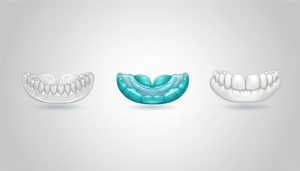
Custom Sports Mouthguards vs. Store-Bought: Which Is Better?
In a sporting-goods store or if you browse online you can find a wide variety of mouthguards. A few are taken straight from the package,

Bleeding Gums Aren’t Normal: 7 Signs of Gum Disease You Shouldn’t Ignore
While you are brushing your teeth, you notice a small amount of pink in the sink. It’s easy to ignore, especially if your gums aren’t
Gum Disease and Heart Health: What’s the Connection?
If you’re considering ways of looking after your heart, it’s probably not the first thing that comes to mind to brush and floss. However, since

How to Overcome Dental Anxiety: Practical Tips for a Calmer Visit
Feeling nervous about dental treatment is nothing to be embarrassed about. A fear of the dentist can range from mild uneasiness before an appointment

Why Patient Experience Matters in Dentistry
Why Patient Experience Matters in Dentistry Successful dental care is not based only on the procedure performed. It is also shaped by how patients are

Cherry Financing for Dental Care: Get the Treatment You Need and Pay Over Time
Dental care impacts more than just your teeth. It influences your comfort, confidence, and overall health. Still, paying for treatment all at once can be