

Feeling nervous before a dental visit is more common than many people realize. But with the right strategies and support, anyone can transform their experience and build true confidence in the dental chair. While some patients feel a little uneasy before an appointment, others may feel so anxious that they avoid the dentist for months or even years. No matter where you are on this spectrum, there are proven ways to conquer anxiety and take control of your dental health.
Dental anxiety can happen for many reasons. Maybe you had an uncomfortable experience in the past. Maybe you worry about pain, dental sounds, or not knowing what will happen during treatment. Some people also feel embarrassed about the condition of their teeth, especially if it has been a long time since their last visit.
The important thing to remember is this: dental anxiety can be managed—and even overcome. With the right dental team, clear communication, gentle care, proven calming strategies, and comfort options such as sedation dentistry, you can transform dental visits into positive, empowering experiences that help you become a more confident patient over time.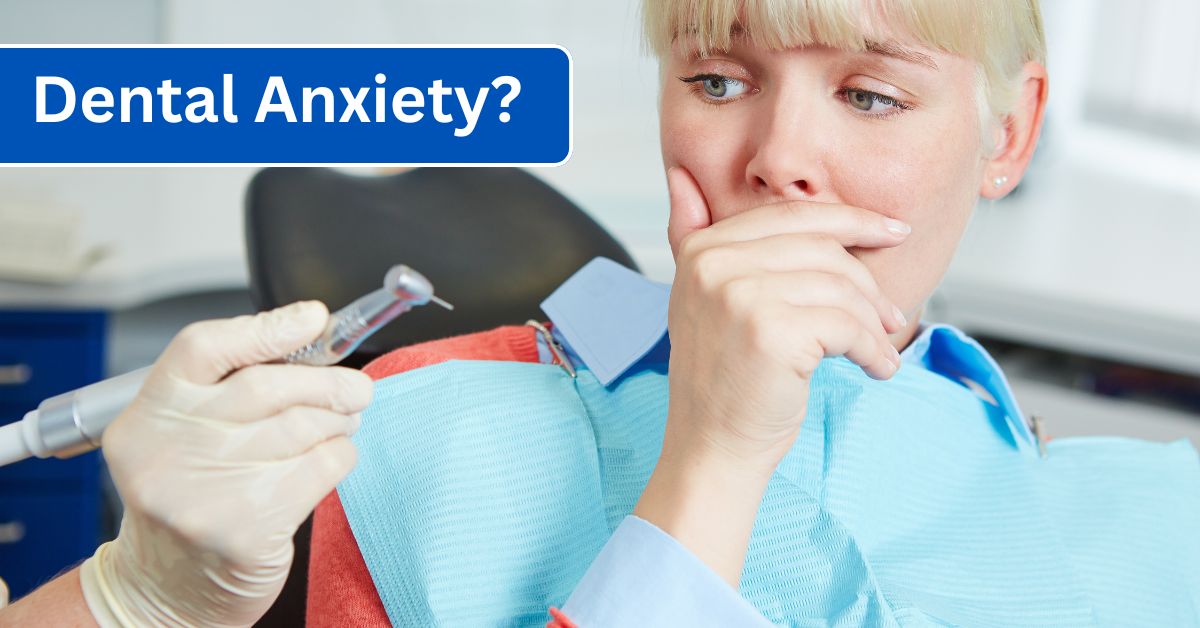
What Is Dental Anxiety?
Dental anxiety is fear, stress, or nervousness related to visiting the dentist. It can affect both children and adults. Some people feel anxious only before larger treatments, while others feel nervous even before a routine dental cleaning.
Common signs of dental anxiety may include feeling tense before an appointment, avoiding dental visits, trouble sleeping the night before, fear of pain, worry about dental tools, discomfort in the dental chair, or embarrassment about oral health.
If this sounds familiar, you are not alone. Many dental offices understand these concerns and are prepared to help patients feel more relaxed and supported.
Why Avoiding the Dentist Can Make Problems Worse
When fear delays dental care, small problems can grow into bigger ones over time. A small cavity can lead to tooth pain. Mild gum irritation can develop into gum disease. A routine cleaning may become a more complicated treatment need if plaque and tartar continue to build up.
Regular dental visits help catch problems early. Often, early treatment is simpler, quicker, and more comfortable than waiting until the issue becomes painful or serious.
That is why managing dental anxiety is not just about feeling calmer. It is also an important part of protecting your long-term oral health.
Choose a Dentist Who Truly Listens
One of the best ways to manage dental anxiety is to choose a dentist who takes your concerns seriously. A comfortable dental experience starts with trust.
Before your appointment or treatment begins, let the dental team know that you feel nervous. This gives them a chance to slow down, explain the process, and check in with you throughout the visit.
A caring dentist can help by explaining each step before starting, using a gentle approach, giving you time to ask questions, taking breaks when needed, and discussing comfort options. Sometimes, simply feeling heard can make the whole visit feel easier.
Ask Questions Before Treatment Starts
Fear often feels worse when you do not know what to expect. Asking questions can help you feel more prepared and in control.
You can ask your dentist about the procedure, its duration, any discomfort, comfort options, and post-appointment care. You might also ask about the costs involved, how you can let the dental team know if you need a break or feel uncomfortable, and what you should expect for aftercare or recovery at home. You can also ask if you need to prepare for your visit or if there will be follow-up appointments. The more information you have, the more comfortable and empowered you will feel during your dental visit.
A good dental team will not make you feel rushed or uncomfortable for asking questions. They should explain things in a calm and simple way so you understand your care before treatment begins.
Start With a Simple First Visit
If it has been a long time since you visited the dentist, you do not have to start with a major treatment. A simple consultation, exam, or cleaning can serve as an excellent initial step.
This type of visit allows you to meet the dentist, talk about your concerns, and understand your oral health without feeling overwhelmed. It also gives you a chance to build trust with the dental team before moving forward with any recommended treatment.
Sometimes, taking that first small step is the hardest part. Once you do it, future visits often feel much easier.
Try Relaxation Techniques Before and During the Visit
Simple relaxation techniques can help calm your body and mind before a dental appointment. Deep breathing, listening to calming music, arriving a little early, or practicing positive self-talk can all help reduce stress. You might also try visualization, which means picturing a peaceful place or a positive outcome while you are at the dentist. Progressive muscle relaxation, where you slowly tense and then relax different muscle groups, can further help ease tension. Choosing the relaxation method that works best for you can make dental visits feel more manageable.
During the appointment, try to focus on slow breathing. Breathe in gently, hold for a moment, and breathe out slowly. This can help relax your muscles and lower tension while you are in the dental chair.
Some patients also find it helpful to bring a trusted family member or friend for support, especially for the first visit back.
Bring Headphones or Listen to Music
For many patients, dental sounds can increase anxiety. If this situation is true for you, ask the dental team if you can wear headphones during your visit.
Listening to music, a podcast, or calming audio can help distract your mind and make the appointment feel more comfortable. This simple step can make a big difference, especially during cleanings or longer treatments.
Create a Stop Signal With Your Dentist
Before treatment begins, ask your dentist to agree on a simple stop signal. For example, raising your hand can mean you need a short break.
Having a stop signal helps you feel more in control. Just knowing that you can pause the treatment if needed can reduce anxiety and make the experience feel safer.
A patient-focused dentist will understand and respect this.
Consider sedation dentistry.
For patients with stronger dental anxiety, sedation dentistry may be an option. Sedation dentistry helps patients feel more relaxed during dental treatment.
Different types of sedation may be available depending on the dental office, the treatment, and the patient’s needs. Some options help patients feel calm while remaining awake, while others may be used for more involved procedures.
Sedation dentistry may be helpful for patients who have strong dental fear, need longer treatments, have a sensitive gag reflex, struggle to sit still, or have had difficult dental experiences in the past.
Not every patient needs sedation, but it can be a helpful option for those who feel very anxious about dental care. Common types of sedation include nitrous oxide (also known as laughing gas), which helps you relax but keeps you awake; oral sedation, which involves taking a pill to feel calm and drowsy; and IV sedation, which is administered through a vein and helps you feel deeply relaxed or lightly asleep during treatment. Your dentist can explain what is available and what may be appropriate for your situation.
Do Not Feel Embarrassed About Your Teeth
Many people avoid the dentist because they feel embarrassed about their teeth or gums. People may fear judgment, particularly if they haven’t visited a dentist in years. Dental professionals encounter a wide range of dental conditions daily and prioritize your well-being over judgment. Their priority is to support and improve your oral health in a caring, non-judgmental environment.
But dentists are trained to help, not judge. Dental professionals see many different oral health conditions every day. Their goal is to reduce discomfort, improve your oral health, and help you feel better about your smile.
No matter how long it has been, it is never too late to restart your dental care.
Choose the Right Appointment Time
The timing of your appointment can also affect how you feel. Some patients prefer morning appointments because they do not have to spend the whole day worrying. Others feel better choosing a time when their schedule is less rushed.
Try not to book your appointment during a stressful or overly busy day. Give yourself enough time to arrive, check in, and settle before the visit begins.
A calmer schedule can help create a calmer experience.
Bring Someone You Trust
If having someone with you helps you feel more comfortable, ask a trusted friend or family member to come along. Their support can help reduce stress before and after the appointment.
This can be especially helpful for children, nervous adults, or anyone returning to dental care after a long break.
Focus on the Benefits of Dental Care
Dental visits are not only about fixing problems. They are also about protecting your health, preventing pain, and helping you feel more confident.
Regular dental care can support fresher breath, cleaner teeth, healthier gums, cavity prevention, early detection of dental issues, and better smile confidence.
When you focus on the benefits, dental care can start to feel less like something to fear and more like an important part of taking care of yourself.
Build confidence gradually with each visit.
Overcoming dental anxiety does not always happen in one appointment. It can take time, and that is completely okay.
Each positive visit can help build confidence for the next one. A gentle, patient-focused dentist can help you move at a pace that feels comfortable and support you step by step.
The goal is not to expect instant calm but to empower yourself with tools and support that foster trust and confidence—one appointment at a time. As you put these strategies into practice, you’ll find yourself transforming from an anxious patient to a more self-assured one.
Final Thoughts
Dental anxiety is common, but it should not stop you from getting the care you need. With clear communication, a caring dental team, relaxation techniques, and sedation dentistry when appropriate, dental visits can become much easier.
The most important step is to begin. Whether you require a dental cleaning, exam, or treatment, selecting a comfortable dentist can provide you with support throughout the entire process. To find a supportive dental team, look for dentists who mention anxiety-friendly care on their websites or who offer specific services for nervous patients. It can also help to read patient reviews and ask friends or family for recommendations. Taking a little time to research can help you feel more confident that you are choosing a dental office that understands your needs.
Your oral health matters, and you deserve dental care that makes you feel calm, respected, and confident.

Why Does My Tooth Hurt When I Bite Down? 8 Common Causes & What to Do
A tooth that hurts when you bite down can be caused by something relatively simple, such as a filling that needs adjustment, or by a
Custom Sports Mouthguards vs. Store-Bought: Which Is Better?
In a sporting-goods store or if you browse online you can find a wide variety of mouthguards. A few are taken straight from the package,

Bleeding Gums Aren’t Normal: 7 Signs of Gum Disease You Shouldn’t Ignore
While you are brushing your teeth, you notice a small amount of pink in the sink. It’s easy to ignore, especially if your gums aren’t

Gum Disease and Heart Health: What’s the Connection?
If you’re considering ways of looking after your heart, it’s probably not the first thing that comes to mind to brush and floss. However, since

How to Overcome Dental Anxiety: Practical Tips for a Calmer Visit
Feeling nervous about dental treatment is nothing to be embarrassed about. A fear of the dentist can range from mild uneasiness before an appointment

Why Patient Experience Matters in Dentistry
Why Patient Experience Matters in Dentistry Successful dental care is not based only on the procedure performed. It is also shaped by how patients are