

In a sporting-goods store or if you browse online you can find a wide variety of mouthguards. A few are taken straight from the package, and the rest are placed in hot water before being shaped to match the form of your teeth. Moreover, a dentist can produce a mouthguard using a copy of your individual smile.
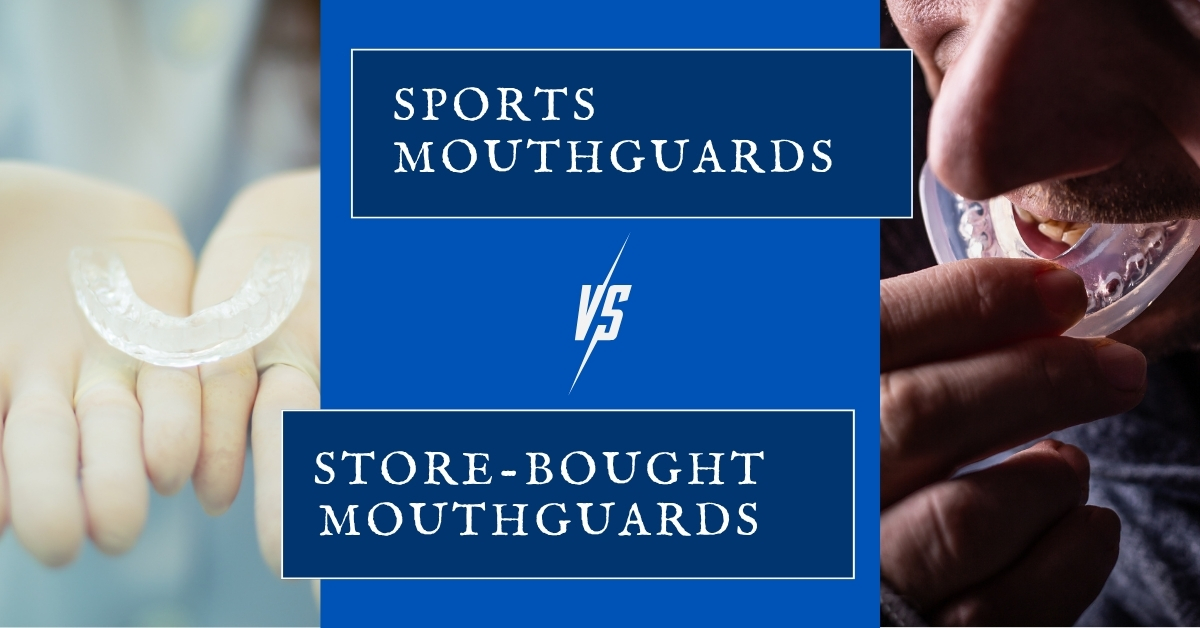
Will the choice of sports mouthguard actually make any difference?
The decision will have to take into account a number of things, including how well it fits, how comfortable it is, the sport that you play, your dental needs, and whether or not you actually wear the mouthguard regularly. For example, a football player who suffers frequent hard blows might choose a mouthguard that offers the greatest level of protection and has a secure fit, while a child whose teeth are still growing may need a mouthguard that can be replaced more often and that can be adjusted as their mouth changes.
Understanding the differences can help athletes and parents to make more informed decisions.
It is important that a mouthguard fits because…
A mouthguard won’t provide the protection it is supposed to have if it is put into a gym bag.
Athletes need to wear it when they are carrying out the activities for which it is recommended or required.
It is important to be fit and comfortable because.
A mouthguard should provide the correct degree of coverage and at the same time stay firmly in place rather than becoming an unnecessary distraction.
Sports mouthguards can usually be divided into three types: stock, boil-and-bite, and custom-made.
Let’s look at the differences.
Option 1: Stock Mouthguards
Stock mouthguards are preformed appliances which come in fixed sizes.
Advantages
Widely available
Ready to use
Generally inexpensive
Limitations
The appliance has not been made to match your specific teeth and therefore the fit may vary a great deal.
Some may find it is either uncomfortable compared to other options.
What matters is that an athlete should not choose a mouthguard merely because it is cheap or easy to use; it must also fit properly and be worn correctly.
Option 2: Boil-and-Bite Mouthguards
Boil-and-bite mouthguards offer more customization than the ordinary ones.
The material must be softened in hot water and then be shaped to fit around the athlete’s teeth according to the manufacturer’s instructions.
Advantages
Readily available
More adaptable than a stock mouthguard
Generally affordable
Can provide effective protection when properly fitted and consistently worn
Limitations
The quality of the final fit to some extent relies on whether the athlete manages to shape the appliance.
The closeness of the fit and the level of retention can be different, and the material may change as a result of wear or frequent use.
When using this type of mouthguard, follow the manufacturer’s instructions for fitting and replacement.
Option 3: Custom Sports Mouthguards
A custom sports mouthguard is made using a detailed record of the athlete’s teeth.
Rather than modifying an ordinary product to suit the shape of your mouth, the appliance is designed specifically to match your individual smile.
Potential Advantages
Personalized fit:
The guard consists of a record of your own teeth.
Comfort:
A piece of equipment that has been specially made can provide a more appropriate fit and improve wearability for a large number of athletes.
Retention:
A well-fitting mouthguard is meant to remain firmly in place around the teeth.
Professional evaluation:
Your dentist will discuss your teeth, bite, oral health, age, and the sports you play when you use mouth protection.
A custom mouthguard might be very appealing to athletes who take part regularly in contact or high-impact sports. The fact is that custom mouthguards are generally more costly than either stock or boil-and-bite types, so before making your decision it’s important to ask your dental professional about any insurance coverage or payment plans available, in order that you can plan properly and make the best choice for yourself or your child.
Does a personally made mouthguard offer better protection?
This requires a careful response.
It’s tempting to say that the most custom-made mouthguard provides the highest level of protection, but mouthguard effectiveness relies on factors beyond those listed on the label.
The right design, fit, how something is made, its condition, and above all, using it regularly all matter.
Mouthguards, whatever their type, provide a degree of protection as long as they are well fitted.
One of the main advantages of using a mouthguard that is made to order is that it is tailored to the individual and thus more comfortable to wear, and this comfort might cause athletes to wear it regularly.
With regard to selecting a custom sports mouthguard, your dentist will first take an impression or carry out a digital scan of your teeth. An accurate model will then be made so that the mouthguard can fit properly to your bite and mouth in a comfortable manner. Once the custom mouthguard is ready, you will need to go back to the dental office to put it on. The dentist will then examine the fit and make any necessary adjustments to ensure that your new mouthguard both feels secure and comfortable before you are given it to take home.
What athletes might gain from a mouthguard?
Protection is arranged for children, teenagers, and adults who take part in activities that carry a meaningful risk of dental injury.
Examples include:
- Football
- Rugby
- Boxing
- Martial arts
- Hockey
- Lacrosse
- Basketball
- Soccer
- Wrestling
- Baseball and softball
- Other contact or high-impact activities
The extent and intensity of your involvement can also affect your decision.
An athlete who practices and competes several times a week has different needs than one who participates only occasionally.
Mouthguards for children?
Another reason is that children grow up as well.
Their teeth appear, their jaws increase in size, and their bites change.
A mouthguard that fit well previously may eventually become tight, loose, or no longer appropriate.
You should therefore regularly examine the mouthguards that your children use for sports. Generally speaking, you should check your child’s mouthguard at the start of every sports season or at least once every six months, and replace it if it no longer fits properly or if it shows signs of wear. Adhering to this practice will help make sure that your child’s mouthguard continues to offer the necessary protection as they grow.
If you want the dental team to check how well the mouthguard fits, bring your child’s mouthguard to their regular dental appointment.
What About Braces?
Athletes wearing braces should protect both their teeth and the soft tissues that might come into contact with the orthodontic appliances if there is an impact.
Standard considerations for custom mouthguards may differ when orthodontic treatment is ongoing because the teeth are moving.
A mouthguard for an athlete with braces must account for the orthodontic appliances and the constant changes in tooth position.
Before selecting a mouthguard, it’s a good idea to get advice from both your dentist and your orthodontist. Ask about brands or types of mouthguards made for use with braces, as they can provide better comfort and safety if you’re playing sports. Based on this, your dental professionals can recommend a mouthguard that properly protects both your teeth and your orthodontic appliances.
How should a sports mouthguard be looked after?
It doesn’t matter which kind of mouthguard you choose; what is important is that you look after it properly.
After use:
- Rinse the mouthguard
- Clean it according to the manufacturer’s or dentist’s instructions
- Allow it to dry appropriately
- Keep it in a ventilated protective case
- Keep it away from excessive heat
- Inspect it for damage and wear
Don’t keep using a guard just because it hasn’t snapped or split yet.
The extent to which a fit changes can be just as great as the visible damage.
When should you replace your mouthguard?
Consider having your mouthguard evaluated or replaced if:
- It feels loose
- It has become uncomfortable
- You need to clench to hold it in position
- It is cracked, torn, or significantly worn
- Your bite or tooth position has changed
- You’ve completed significant dental treatment
- A child’s teeth or jaw has grown
- Your orthodontic treatment has changed
The dentist can check whether the appliance still fits properly.
Which mouthguard is better for sports then?
There is no one solution that fits all athletes.
A properly fitting mouthguard worn regularly is more useful than an expensive one that stays at home.
For athletes who want a mouthguard that fits, having a custom sports mouthguard offers a personalized fit and allows for a professional dental examination.
This is particularly advantageous for athletes involved in football, rugby, boxing, martial arts, hockey, basketball, and other activities that involve a risk of dental trauma.
Think of a Mouthguard as Protection for Your Smile
Sports equipment is designed to protect the body from anticipated risks.
You should pay the same attention to your teeth.
A dental injury can result from a single game, a collision, or a fall. It is much easier to spend a few minutes thinking about dental protection before the season starts than to deal with a damaged tooafterwardn.
If you don’t know which kind of mouthguard is suitable for you or your child, ask your dentist.
Would you like to get a custom-made sports mouthguard?
Pinellas Family Dental can help you determine whether a custom sports mouthguard is right for your needs.
Get in touch with our dental team to book an appointment and learn more about protecting your smile while playing sports.
Custom Sports Mouthguards vs. Store-Bought: Which Is Better?
In a sporting-goods store or if you browse online you can find a wide variety of mouthguards. A few are taken straight from the package,

Bleeding Gums Aren’t Normal: 7 Signs of Gum Disease You Shouldn’t Ignore
While you are brushing your teeth, you notice a small amount of pink in the sink. It’s easy to ignore, especially if your gums aren’t

Gum Disease and Heart Health: What’s the Connection?
If you’re considering ways of looking after your heart, it’s probably not the first thing that comes to mind to brush and floss. However, since

How to Overcome Dental Anxiety: Practical Tips for a Calmer Visit
Feeling nervous about dental treatment is nothing to be embarrassed about. A fear of the dentist can range from mild uneasiness before an appointment

Why Patient Experience Matters in Dentistry
Why Patient Experience Matters in Dentistry Successful dental care is not based only on the procedure performed. It is also shaped by how patients are

Cherry Financing for Dental Care: Get the Treatment You Need and Pay Over Time
Dental care impacts more than just your teeth. It influences your comfort, confidence, and overall health. Still, paying for treatment all at once can be