

If you’re considering ways of looking after your heart, it’s probably not the first thing that comes to mind to brush and floss. However, since oral health is an aspect of your general well-being, scientists have for a long time examined a strong connection between gum disease and heart health. Gum disease can cause inflammation and may allow bacteria to get into the bloodstream, and this can in turn lead to difficulties with the heart and blood vessels. Because of this, keeping your oral health in check is an important way of supporting your heart.
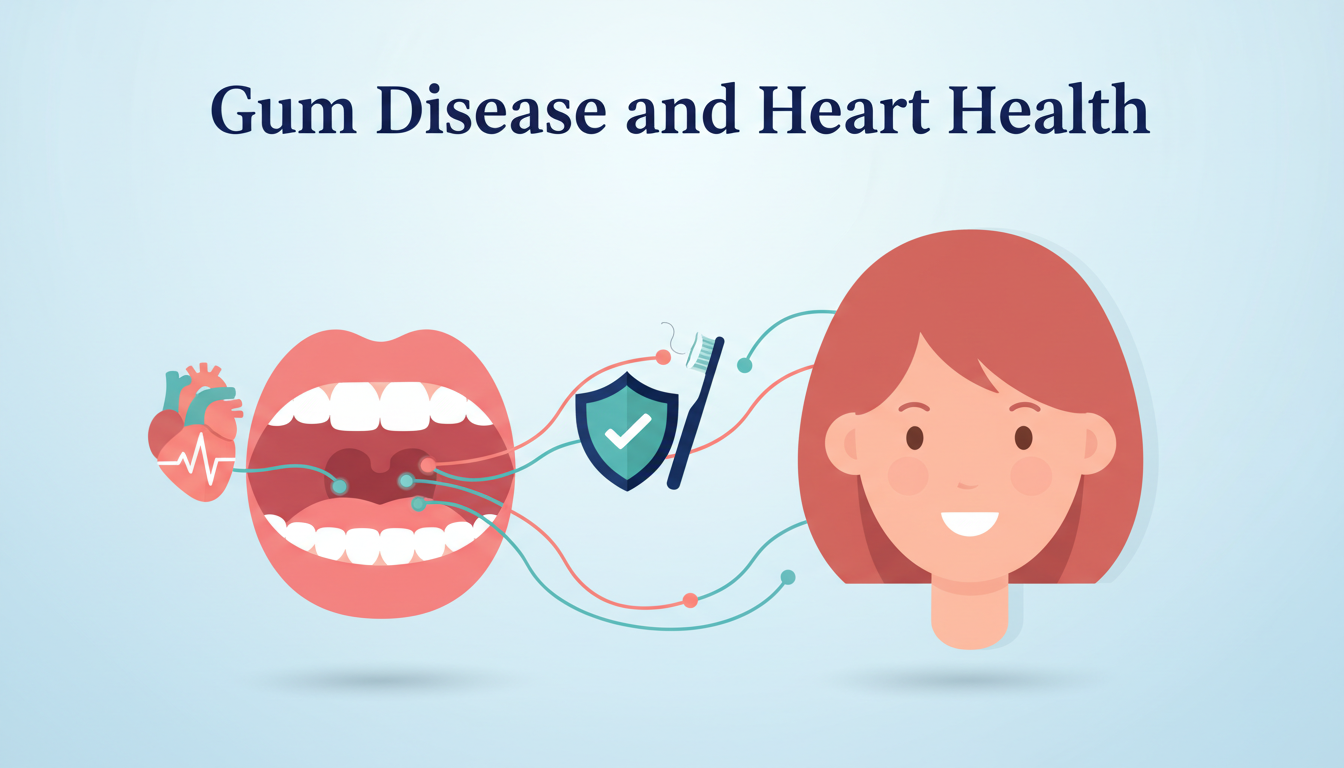
Periodontal disease has an effect on the tissues which surround and support your teeth; as it progresses it can lead to gum recession, loss of bone, loose teeth, and eventually to the loss of teeth. Moreover, research has also found an association between periodontal disease and cardiovascular disease.
It doesn’t imply that gum disease causes heart disease directly, but rather the connection between the two provides yet another reason why you should look after your gums and incorporate preventive dental care into your general wellness routine.
At Pinellas Family Dental we assist patients in identifying the early symptoms of gum disease and help them take practical steps to get healthier teeth and gums.
What Is Periodontal Disease?
Periodontal disease, which is generally known as gum disease, is an infection and inflammatory condition which affects the gums and the tissues that support the teeth.
It generally begins with gingivitis, which is the initial stage of gum disease.
Plaque keeps accumulating on the teeth and, if it is not adequately removed through brushing, flossing, and professional dental cleanings, the bacteria will cause irritation of the gum tissue.
Early signs may include:
- Red or swollen gums
- Tender gums
- Bleeding when brushing or flossing
- Persistent bad breath
Gingivitis can generally be treated before permanent damage takes place.
But if gum disease progresses it can develop into periodontitis; the gums may then begin to pull away from the teeth and create periodontal pockets in which bacteria can accumulate. In the end, the tissues and bone which support the teeth will be harmed.
What is the effect of gum health on the heart?
Your mouth is no more separate from the rest of your body than the rest of your body is.
The condition known as periodontal disease is the result of both bacteria and inflammation, and scientists have investigated the connection between these factors and cardiovascular health.
It has been discovered that people who have periodontal disease may be more likely to suffer from certain cardiovascular conditions. However, scientists are still examining whether inflammation, immune responses, common risk factors, and the bacteria associated with periodontal disease could help to explain this association.
We need to understand the difference between an association and direct causation.
There is at the moment no evidence to indicate that gum disease causes heart disease or that treating periodontal disease will stop a heart attack or a stroke. That said, it is still worthwhile to look after your oral health. By having regular dental checks and maintaining good daily oral care you can help to prevent gum disease and promote your general well-being. If you are worried about your gum health, then arranging frequent dental appointments is a positive step towards protecting both your oral and general health.
The fact it emphasizes is one that dentists have consistently underlined, namely that maintaining good oral health is an important part of looking after your general health.
Can bacteria from your mouth enter your bloodstream?
Your mouth normally contains a wide variety of bacteria.
When the gums are greatly inflamed or infected, the bacteria and the substances they produce could get into the bloodstream either as a result of normal daily activities or because of dental treatments. Nevertheless, dental professionals adhere to rigorous hygiene and safety procedures in order to minimise this risk, for example by using sterilised instruments and taking care during the procedures, particularly when dealing with patients who may be more susceptible to infection. Researchers have looked into whether these bacteria and the body’s inflammatory response might have effects outside the mouth.
This is one of a number of mechanisms which are currently under study in the context of the relationship between periodontal and cardiovascular health.
It does not follow that every occurrence of bleeding gums is an immediate danger to the heart; instead, one should go to the dentist because of chronic gum inflammation and not ignore it.
Gum Disease and Heart Disease Share Some Risk Factors
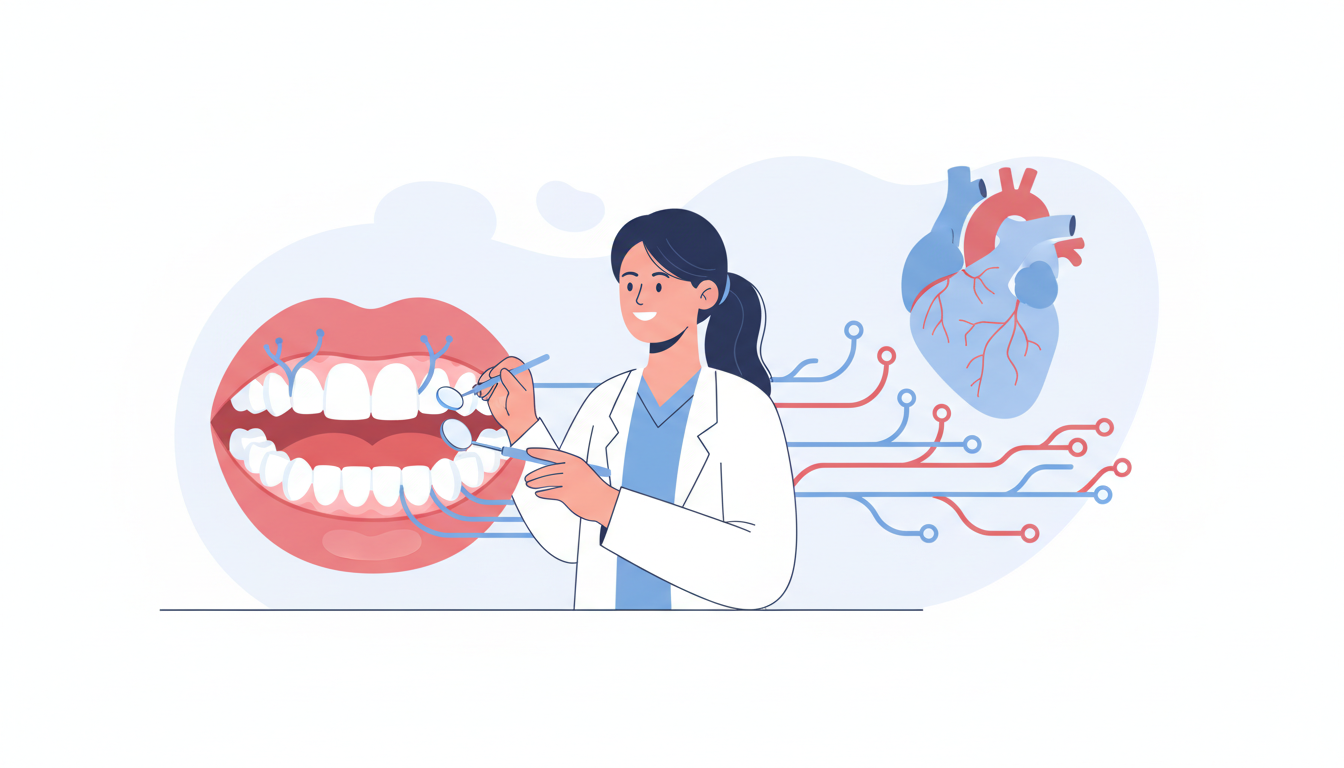
There is another reason why the relationship is complicated in that periodontal disease and cardiovascular disease share a number of risk factors.
These can include:
- Smoking and tobacco use
- Diabetes
- Age
- Diet and lifestyle factors
- Chronic inflammation
- Certain socioeconomic and healthcare-access factors
It is therefore difficult to say that one condition is the direct cause of the other.
The most important thing for patients is that looking after your gums should be part of looking after yourself.
Signs of Gum Disease You Shouldn’t Ignore
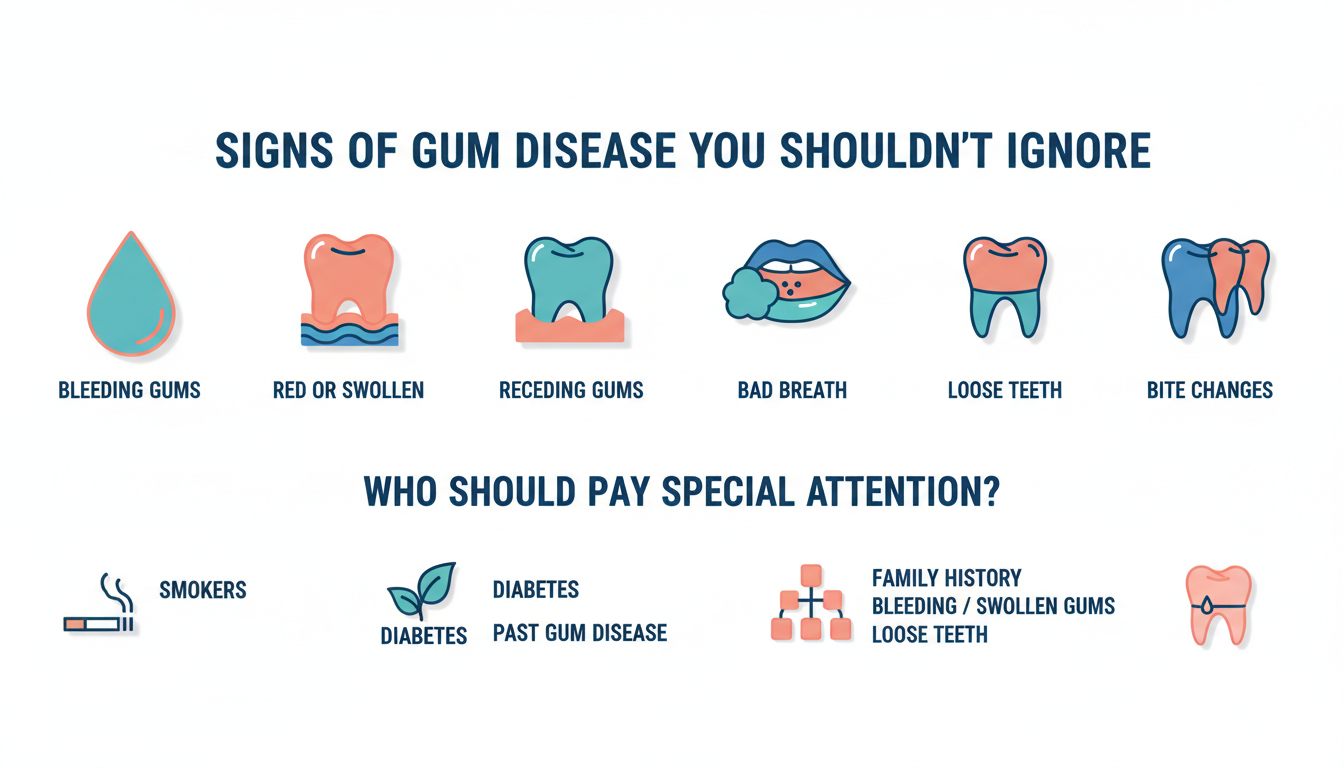
Pain is not necessarily involved with gum disease, especially in the early stage; a problem can occur without causing the kind of discomfort that would lead someone to see the dentist.
Watch for:
Bleeding Gums
Although you might feel a bit irritated, your gums should be examined if they bleed each time you brush or floss.
Red, Puffy, or Tender Gums
Healthy gums should rarely be swollen or uncomfortable.
Gum Recession
Your gums could be receding if your teeth now appear longer than they did previously.
Persistent Bad Breath
Bad breath which fails to improve when normal oral hygiene is carried out may in some cases be linked to gum disease.
Loose or Shifting Teeth
Advanced periodontal disease has the potential to damage the tissues and bone which support your teeth.
Changes in Your Bite
As periodontal disease progresses, the way your teeth come together may also change.
If you observe these symptoms, don’t wait until they result in pain before seeing a doctor.
Who should pay special attention to their gum health?
Everyone benefits from healthy gums, but periodontal care may deserve additional attention if you:
- Have previously been diagnosed with gum disease
- Smoke or use tobacco
- Have diabetes
- Have a family history of periodontal problems
- Have persistent bleeding or swollen gums
- Have experienced gum recession
- Have loose teeth
- Have difficulty maintaining effective oral hygiene
People who have cardiovascular issues should obey the advice of their doctor or cardiologist and at the same time keep their dental care good. This way, patients can let both their dentist and their cardiologist know about any heart conditions or oral health problems so that each provider can properly coordinate their care. By sharing this information with your healthcare professionals you enable a more thorough approach to your general well-being and also help to give yourself peace of mind.
Each of your dentist and medical providers has a separate role in supporting your health.
How do you protect your gums?
Good dental health depends on maintaining some habits.
Brush Thoroughly
Brush your teeth twice each day using fluoride toothpaste and be sure to clean the area where the teeth meet the gums.
Clean Between Your Teeth
Since a toothbrush is not able to adequately clean all the surfaces between the teeth, floss or interdental brushes or other methods recommended by the dentist can be used to remove plaque from those areas.
Keep Your Dental Appointments
Professional cleanings are able to remove deposits which cannot always be removed effectively at home.
A dentist is able to detect changes through dental examinations long before you become aware of them.
Don’t Ignore Bleeding
Rather than merely brushing the area, you should arrange for a dental evaluation if your gums bleed when you are brushing or flossing.
Avoid Tobacco
The use of tobacco and smoking are the main risk factors for periodontal disease and make it more difficult to detect and control gum problems.
What is the appropriate time to go to the dentist with regard to your gums?
You needn’t wait until your gums begin to ache.
You should make an appointment if you are suffering from continuous bleeding, swelling, gum recession, bad breath, tooth mobility, or any other change in your oral health.
It is generally easier to manage periodontal disease if it is detected early.
Healthy Gums Are Part of a Healthy You
The gums play a role that goes beyond simply forming the border of your smile; they support your teeth and therefore make up a vital part of your oral health.
Investigation into the link between periodontal disease and cardiovascular health is still underway. Even though gum disease should not be considered a direct cause of heart disease, the association does provide another reason for oral health to be given priority.
If you’re concerned about bleeding gums or any other symptoms of periodontal disease, Pinellas Family Dental would be more than pleased to help you. Should you see any of these signs, just call our office or arrange an appointment online so that our team can assist you in taking the proper steps for your oral health.
Is your gum condition a concern of yours?
Make an arrangement with Pinellas Family Dental so that our staff can examine your teeth and gums and then recommend the type of care that is appropriate for your smile.
Custom Sports Mouthguards vs. Store-Bought: Which Is Better?
In a sporting-goods store or if you browse online you can find a wide variety of mouthguards. A few are taken straight from the package,

Bleeding Gums Aren’t Normal: 7 Signs of Gum Disease You Shouldn’t Ignore
While you are brushing your teeth, you notice a small amount of pink in the sink. It’s easy to ignore, especially if your gums aren’t

Gum Disease and Heart Health: What’s the Connection?
If you’re considering ways of looking after your heart, it’s probably not the first thing that comes to mind to brush and floss. However, since

How to Overcome Dental Anxiety: Practical Tips for a Calmer Visit
Feeling nervous about dental treatment is nothing to be embarrassed about. A fear of the dentist can range from mild uneasiness before an appointment

Why Patient Experience Matters in Dentistry
Why Patient Experience Matters in Dentistry Successful dental care is not based only on the procedure performed. It is also shaped by how patients are

Cherry Financing for Dental Care: Get the Treatment You Need and Pay Over Time
Dental care impacts more than just your teeth. It influences your comfort, confidence, and overall health. Still, paying for treatment all at once can be