

February isn’t just about Valentine’s Day—it’s also National Children’s Dental Health Month, a time dedicated to raising awareness of the importance of children’s oral health. At Dental Florida, we believe that establishing good dental habits early helps parents feel confident that they are laying the foundation for their child’s lifetime of healthy smiles. This month, we’re sharing expert tips and perspectives to help parents navigate their child’s dental care path.
Why February Matters for Your Child’s Dental Health
National Children’s Dental Health Month has been observed every February since 1941, making it one of the longest-running health observances. The statistics tell us why this focus is so critical: tooth decay remains the most common chronic childhood disease, influencing nearly 20% of children aged 5 to 11. Despite being largely preventable, cavities continue to impact children’s ability to eat, speak, and learn comfortably. Each untreated cavity can lead to two days of missed school, affecting not just school performance but also social interactions plus confidence. By addressing these matters early, we can ensure that children are not only healthy but also thriving in school and in life.
Early intervention and education can dramatically change these numbers, helping parents see how establishing proper oral hygiene habits before age five benefits their child’s long-term health and confidence. Children who develop good habits early are more likely to maintain them into adulthood. This month serves as a perfect reminder for parents to assess their children’s dental routines and schedule those important checkups.
Common Dental Problems in Children and How to Prevent Them
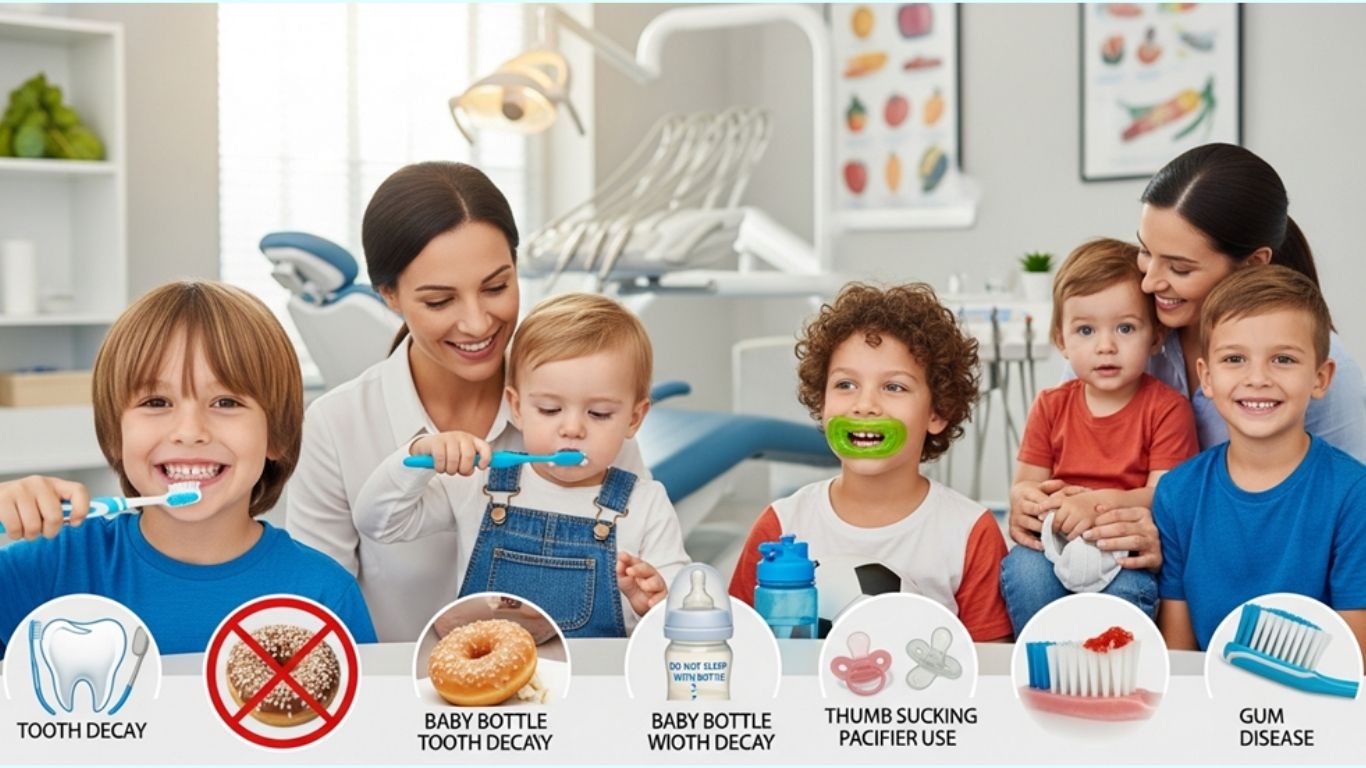
Understanding the most frequent dental issues helps parents take preventive steps. Tooth decay tops the list, often caused by frequent exposure to sugary drinks and snacks. Baby bottle tooth decay specifically affects infants who fall asleep with bottles containing milk, formula, or juice—the sugars in these liquids pool around teeth, feeding harmful bacteria.
Thumb sucking and pacifier use beyond age three can affect tooth alignment and jaw development. While these habits provide comfort, prolonged use may require orthodontic intervention later. Gum disease, although less common in children, can occur when plaque builds up along the gumline, leading to inflammation and bleeding.
Dental injuries from sports and play are another concern. The American Academy of Pediatric Dentistry recommends mouthguards for children participating in contact sports. Prevention starts with supervision during active play and teaching children to avoid using their teeth as tools to open packages or bottles.
Age-Appropriate Dental Care: From Infants to Teens
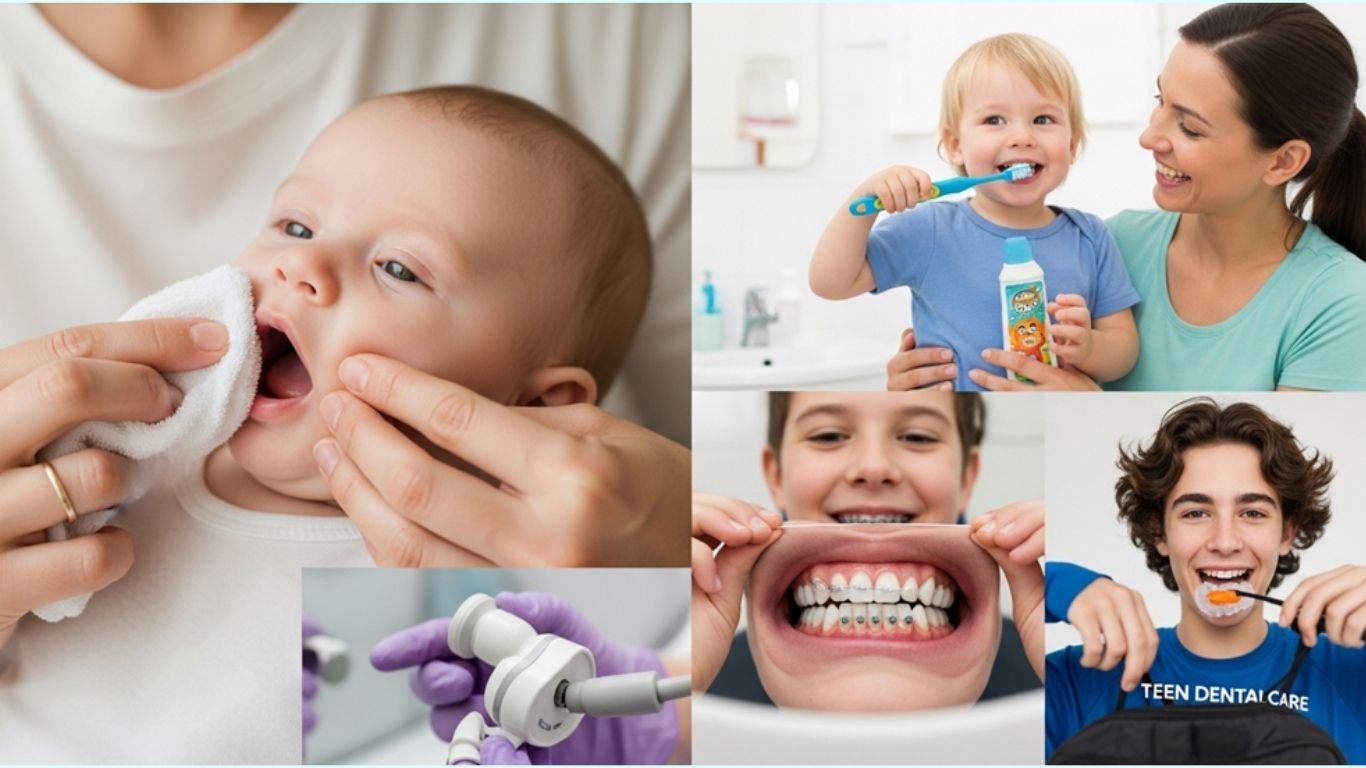
Dental care needs evolve as children grow. For infants, oral care begins even before the first tooth erupts. Gently wipe gums with a clean, damp cloth after feedings to remove bacteria. Once that first tooth appears—usually around six months—start using a soft-bristled infant toothbrush with a rice-grain-sized smear of fluoride toothpaste.
Toddlers aged 1-3 should brush twice daily with a pea-sized amount of fluoride toothpaste. Parents need to supervise and assist, as children lack the manual dexterity for effective brushing until around age six. Make brushing sessions enjoyable by singing songs or using colorful toothbrushes featuring favorite characters.
Dental sealants applied to permanent molars provide additional cavity protection during these vulnerable years. For example, one of our young patients, Emily, had a history of cavities but has remained cavity-free for over a year after getting sealants. Her parents have shared how grateful they are for the peace of mind this preventive measure provides. Stories like Emily’s demonstrate how sealants can help maintain healthy teeth and prevent future dental issues.
Teenagers face special challenges, including increased independence and dietary freedom. Orthodontic treatment is standard these days and calls for meticulous oral hygiene around braces. Sports participation necessitates custom-fitted mouthguards, and conversations about avoiding tobacco and oral piercings become important.
Making Brushing Fun: Tips to Engage Young Children
Turning tooth brushing from a chore into an enjoyable activity requires creativity. Let children choose their own toothbrush and toothpaste flavor—strawberry, bubblegum, or watermelon—so brushing is more appealing. Electric toothbrushes with built-in timers and fun designs can motivate reluctant brushers.
Create a brushing chart with stickers for each successful session. Children love tracking their progress and earning small rewards due to consistency. Play a favorite two-minute song during brushing time to make it a mini dance party. Apps featuring animated characters who brush along with your child can also transform the experience.
Brush together as a family, demonstrating proper technique while making it a bonding activity. Read books about dental health featuring beloved characters visiting the dentist. Positive reinforcement works better than punishment—praise effort and progress rather than criticizing mistakes.
The Role of Nutrition in Children’s Oral Health
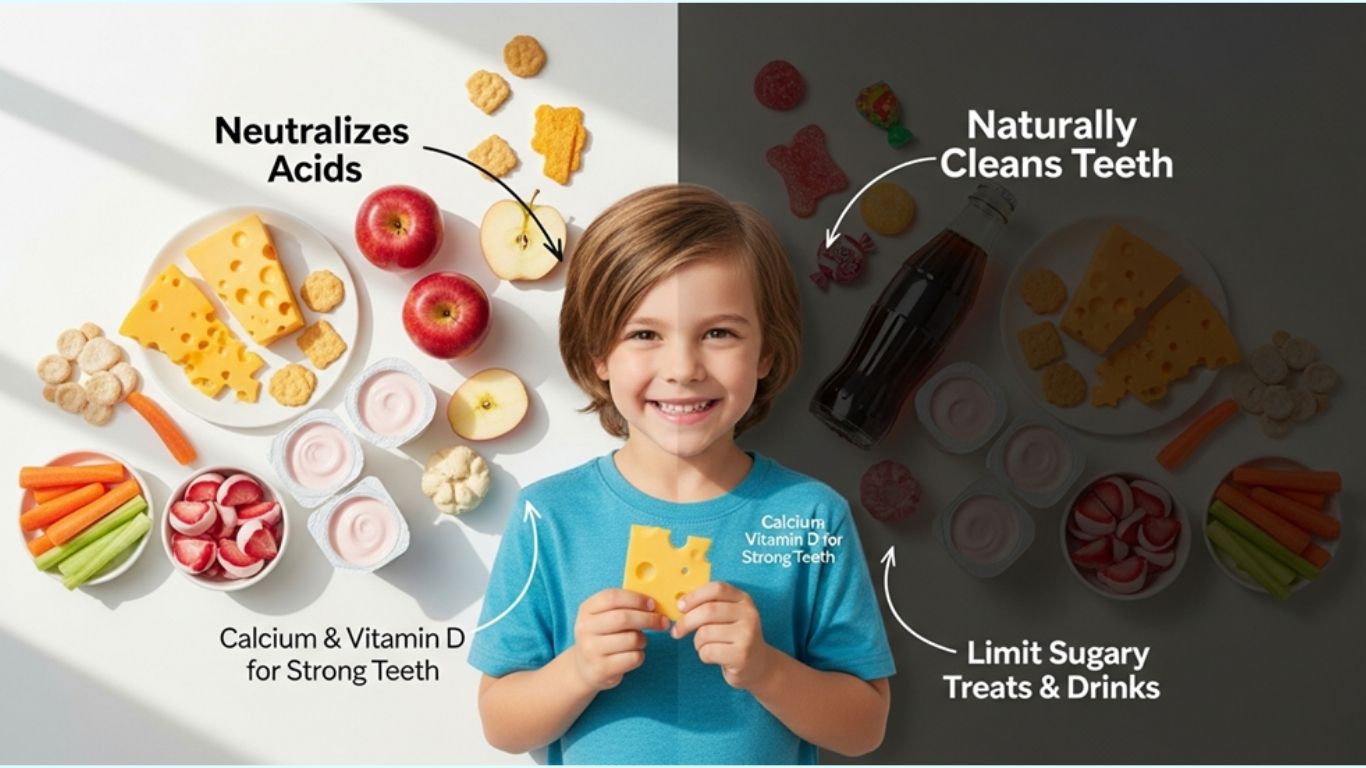
Cheese might be a better protector of teeth than many “healthy” juices, thanks to its ability to neutralize acids in the mouth. This surprising fact illustrates the importance of choosing snacks wisely for your child’s dental health. What children eat directly affects their dentalwell-being. Sugary treats and drinks create an acidic environment that erodes enamel and feeds cavity-causing bacteria. Limit juice to meal times and encourage water throughout the day. Avoid sticky candies that cling to teeth, as they extend sugar exposure.
Choose tooth-friendly snacks like cheese, which neutralizes acid and provides calcium for strong teeth. Crunchy vegetables and fruits like carrots, apples, and celery naturally clean teeth while stimulating saliva production. Yogurt offers probiotics and calcium without high sugar content.
Calcium and vitamin D are essential for the development of strong teeth and bones. Dairy products, fortified plant milks, and leafy greens provide these nutrients. Limit acidic beverages, such as sports drinks and sodas, which can weaken enamel over time. Teaching children to rinse with water after eating helps remove food particles and neutralize acids.
When to Schedule Your Child’s First Dental Visit
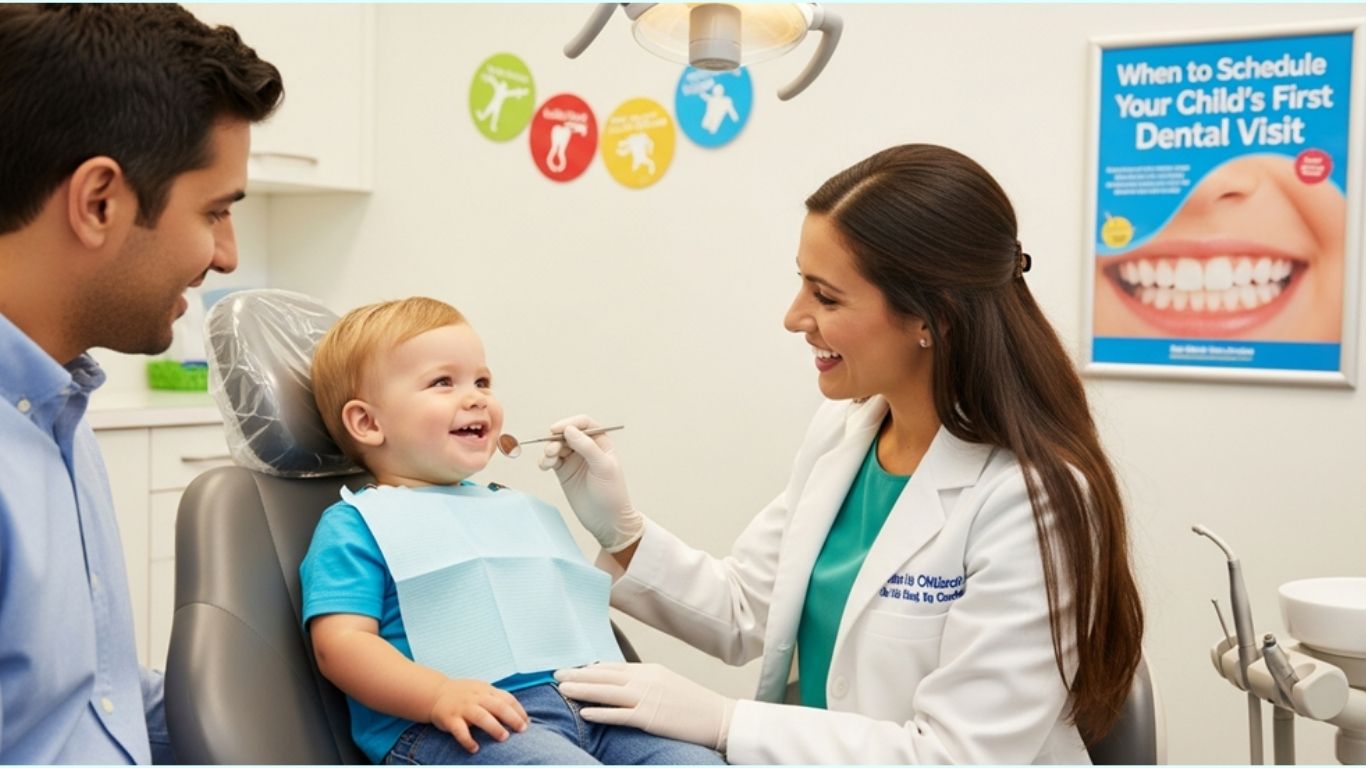
The American Academy of Pediatric Dentistry recommends scheduling your child’s first dental visit by their first birthday or within six months of the first tooth erupting. Early visits allow dentists to monitor development, recognize possible concerns, and educate parents about proper care techniques.
These initial appointments are typically brief and focus on making children comfortable in the dental environment. The dentist will examine teeth and gums, assess bite development, and discuss teething, fluoride needs, and cavity prevention. Parents receive guidance on brushing techniques, appropriate toothpaste amounts, and dietary recommendations.
Regular checkups every six months help catch problems early when they’re easiest to treat. Children who visit the dentist regularly from a young age experience less dental anxiety and better long-term dental health outcomes. Don’t wait until a problem develops—preventive care is always preferable to reactive treatment.
Dental Florida’s Approach to Pediatric Dentistry
At Pinellas Family Dental, we understand that children aren’t just small adults; they require specialized care customized to their developmental stage. Our pediatric-focused approach establishes a welcoming, non-threatening setting where children feel safe and comfortable. We use gentle techniques and age-appropriate language to explain procedures, reducing anxiety and establishing trust. We emphasize a strong parent-dentist partnership: ‘We explain and guide; you reinforce and support.’ Together, we create a comprehensive care plan that benefits your child’s oral health.
Our team stays up to date on the latest pediatric dental research and treatments, from preventive sealants to early orthodontic assessments. We partner with parents to provide education and resources to support at-home oral care. Our goal goes beyond treating teeth—we’re building confident patients who maintain healthy habits for life.
Creating Healthy Dental Habits That Last a Lifetime
National Children’s Dental Health Month reminds us that investing in children’s oral health today prevents complex problems tomorrow. Establish steady routines, make dental care enjoyable, and emphasize regular professional checkups. Small daily efforts accumulate into lifelong benefits—healthy teeth, confident smiles, and lowered healthcare costs.
Schedule your child’s appointment with Pinellas Family Dental today. Let’s work together to build the basis for a lifetime of healthy, beautiful smiles. Contact our office to book your visit and receive personal guidance for your child’s unique dental needs. Book before March 15 to receive a complimentary fluoride varnish.

National Dentist’s Day: Honoring the Doctors Who Protect Your Smile
We celebrate the dedication, skill, and care that dentists show every day to keep our smiles healthy and bright. Every day, caring and

National Nutrition Month- The Link Between Diet and Dental Health
When we think about nutrition, the first things that typically come to mind are heart health, weight management, or perhaps energy levels. But did you

The Heart of Our Dental Team: Celebrating Our Dental Assistants
A young patient clings anxiously to her mother’s hand as she enters the bright treatment room, her large eyes revealing her worry about her first-ever

Effective Sleep Apnea Treatment with Dynaflex Dental Sleep Devices
At Pinellas Family Dental, we know that good sleep is foundational to your health, energy, and daily life. For many patients dealing with chronic snoring
Top Dental Habits Every Child Should Learn at Home
The most important thing for a child’s oral health is their parents. Going to the dentist is important, but the daily dental habits kids learn

National Children’s Dental Health Month: Building Healthy Smiles from an Early Age
February isn’t just about Valentine’s Day—it’s also National Children’s Dental Health Month, a time dedicated to raising awareness of the importance of children’s oral health.