

Imagine this: You go outside on a cold winter morning, and when you take that first breath of cold air, you feel a sharp pain in your teeth. Winter is a time for warm drinks, cozy sweaters, and snowy views, but it can also be bad for your teeth. As the weather gets colder and more humid, your mouth goes through changes that can cause pain, sensitivity, and dental problems if they aren’t taken care of.
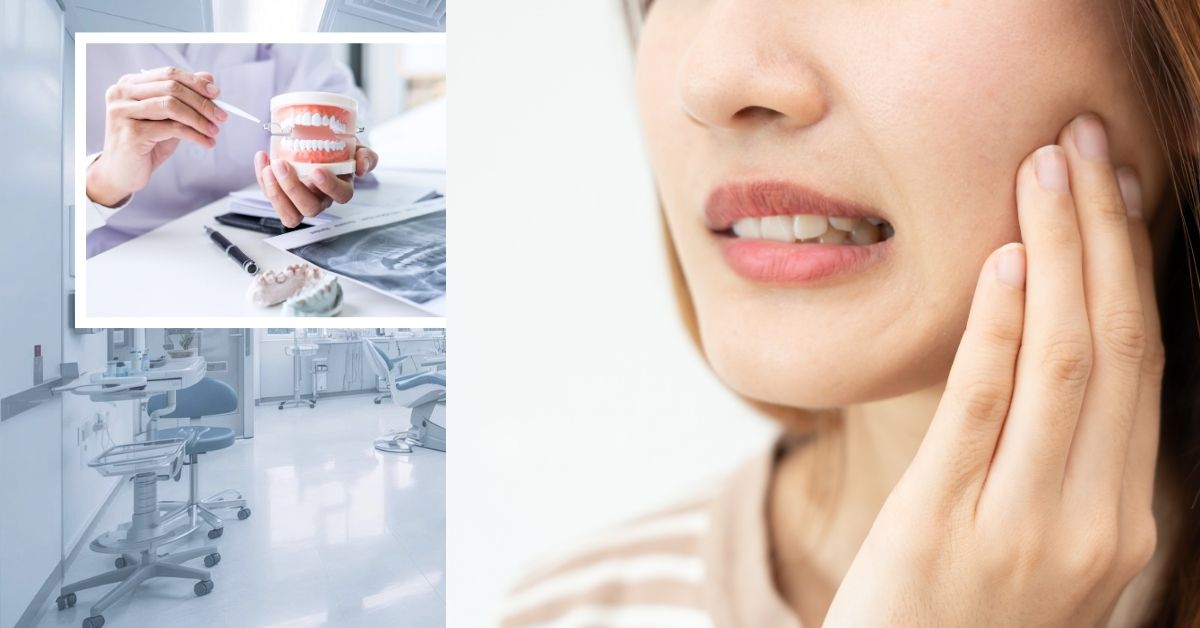
This article will discuss how winter affects your oral health, outline some common dental problems, and provide easy ways to keep your smile healthy throughout the season.
1. Dry mouth is a common problem that occurs in cold weather.
Dry mouth (xerostomia) is the most common problem with the mouth in the winter. Cold air is often dry, and heating inside makes the air even drier. Research indicates that around 20% of the people experience xerostomia more frequently in colder months. The result can make your mouth produce less saliva, which can cause foul breath, more plaque buildup, a higher risk of decay, and sores in your mouth.
Why it matters: Saliva is very important for neutralizing acids, washing away food particles, and keeping your enamel safe. When your saliva levels drop, your mouth is more likely to get cavities and irritated gums.
How to avoid: Drink a lot of water to keep your mouth moist and lower your chances of getting cavities. Chewing sugar-free gum or lozenges can help your mouth produce more saliva, which can wash away food particles and stop decay. Don’t drink too much alcohol or caffeine, as they can make dryness worse, which can lead to plaque buildup and pain. Think about getting a humidifier for your bedroom at night. Using a humidifier will add moisture to the air, improve your mouth’s comfort, and help prevent dry mouth and its associated effects.
2. Cold Makes Teeth Sensitive
When it’s cold outside, your teeth may be more sensitive, especially if your enamel is worn down or your gums have pulled back. Sensitive teeth can hurt or feel very uncomfortable when they are exposed to cold air or drinks.
Winter tooth sensitivity can be caused by things like thinning enamel, gums that have pulled back and exposed tooth roots, cracks or breaks in teeth, and recent dental work.
Imagine lying in bed after a long day, hoping to fall asleep, but you keep waking up because of a dull pain in your jaw from grinding your teeth without realizing it. Many people go through this, especially during the stressful winter months.
What you can do: If you have sensitive teeth, use toothpaste for them. Don’t eat or drink cold foods and drinks all at once. Ask your dentist about fluoride treatments to make your enamel stronger. Wear a mouthguard to protect your teeth from grinding at night and ease the pain.
3. Gum Problems Can Get Worse
People often skip their oral care routines in the winter because they are traveling, on vacation, or busy. During the holidays and during travel, people often neglect their oral health, resulting in less frequent brushing and flossing. When was the last time you took your toothbrush on a trip? These kinds of behavior problems can lead to plaque buildup, inflammation, and gum disease.
Winter also means more sweets and comfort foods, stress from being busy during the holidays, and dry mouth, all of which can help bacteria grow.
If your gums are red and swollen, bleed when you brush or floss, have foul breath that won’t go away, or are sore or tender, you may have gum problems.
Here are some ways to keep your gums safe: Brush your teeth twice a day, floss once a day, rinse with an antimicrobial mouthwash, eat balanced meals with plenty of water and fiber, and go to the dentist regularly for cleanings and checkups.
4. Chapped gums and cracked lips
Not only do cold winter winds and dry indoor air hurt skin, but they can also make lips crack and gums dry and sore. Chapped lips hurt and can bleed, and dry gums can become sensitive and hurt or get small cuts. If your lips are dry and cracked, try making a relaxing bedtime routine. Keep a lip balm with SPF and moisturizer on your nightstand and use it generously before bed. This simple habit can keep moisture in overnight and stop discomfort. Don’t lick your lips during the day because it makes them drier. Instead, drink water often to stay hydrated.
For your gums: Pick a mouthwash that doesn’t have alcohol in it, brush your teeth gently with a toothbrush with soft bristles, and use toothpaste made for dry or sensitive mouths.
5. A higher chance of catching cavities
Winter’s mix of dry mouth, sticky holiday foods, and changes in oral hygiene routines makes cavities and tooth decay more likely. Sticky candies and tough and rich cookies stick to teeth longer, which feeds bacteria that cause cavities.
How to stop decay: If you can’t brush your teeth, rinse them with water after meals. Floss every night, eat fewer sugary snacks, drink water between snacks, and chew sugar-free gum after meals to get more saliva flowing.
Teeth don’t break in the cold, but winter use can break them. A common myth is that the cold makes teeth weak, but it’s important to stress that the cold doesn’t do that. Biting into hard, frozen foods like ice, unpopped popcorn kernels, or foods that are too cold can hurt your teeth. If you bite into something that is too cold or hard, like ice or unpopped popcorn kernels, it could break. In winter, diet and dental care are important.
Last Thoughts
Taking care of your teeth in the winter can help you avoid common dental problems that happen during this time of year. You can keep your smile healthy and intact by drinking enough water, brushing your teeth twice a day, and being careful about what you eat. If you have any ongoing problems or worries, don’t be afraid to contact your dentist. Winter is enjoyable, but dental care is just as vital!

National Dentist’s Day: Honoring the Doctors Who Protect Your Smile
We celebrate the dedication, skill, and care that dentists show every day to keep our smiles healthy and bright. Every day, caring and

National Nutrition Month- The Link Between Diet and Dental Health
When we think about nutrition, the first things that typically come to mind are heart health, weight management, or perhaps energy levels. But did you

The Heart of Our Dental Team: Celebrating Our Dental Assistants
A young patient clings anxiously to her mother’s hand as she enters the bright treatment room, her large eyes revealing her worry about her first-ever

Effective Sleep Apnea Treatment with Dynaflex Dental Sleep Devices
At Pinellas Family Dental, we know that good sleep is foundational to your health, energy, and daily life. For many patients dealing with chronic snoring
Top Dental Habits Every Child Should Learn at Home
The most important thing for a child’s oral health is their parents. Going to the dentist is important, but the daily dental habits kids learn
National Children’s Dental Health Month: Building Healthy Smiles from an Early Age
February isn’t just about Valentine’s Day—it’s also National Children’s Dental Health Month, a time dedicated to raising awareness of the importance of children’s oral health.
