

Brushing, flossing, and going to the dentist are the most common ways people think of to keep their teeth healthy. Your diet has a bigger effect on your teeth and gums than these habits do. The foods and drinks you choose every day can help keep your smile healthy or hurt it over time. Sugar and unhealthy eating habits are the primary causes of cavities, gum disease, and enamel loss. Knowing how your diet affects your teeth can help you make better choices and avoid costly dental problems.
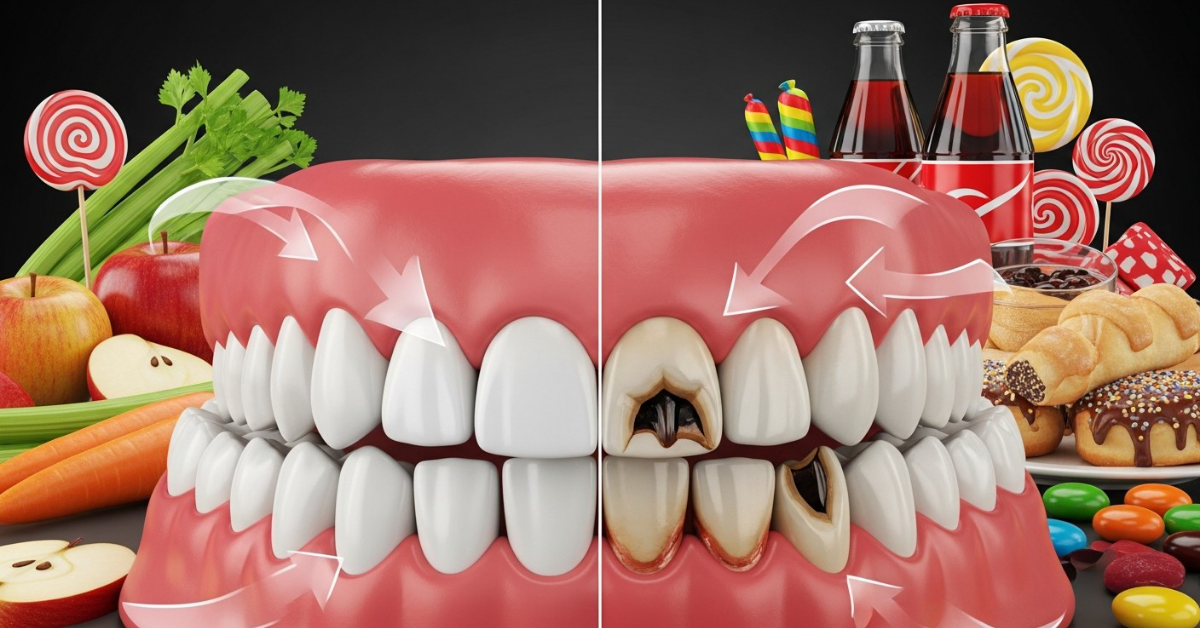
The Relationship Between Diet and Oral Health
Your teeth are the first thing that comes into contact with everything you eat and drink. What you eat can affect your enamel, your risk of cavities, your gum health, the bacteria in your mouth, and how much saliva you make. If you eat a lot of sugar and acidic foods or don’t eat a balanced diet, it makes it easier for harmful bacteria to grow. Recent studies indicate that almost half of adults in the U.S. have cavities that haven’t been treated yet, and these cavities are linked to their diets. This data shows how important diet is for oral health.
How Sugar Really Affects Your Teeth
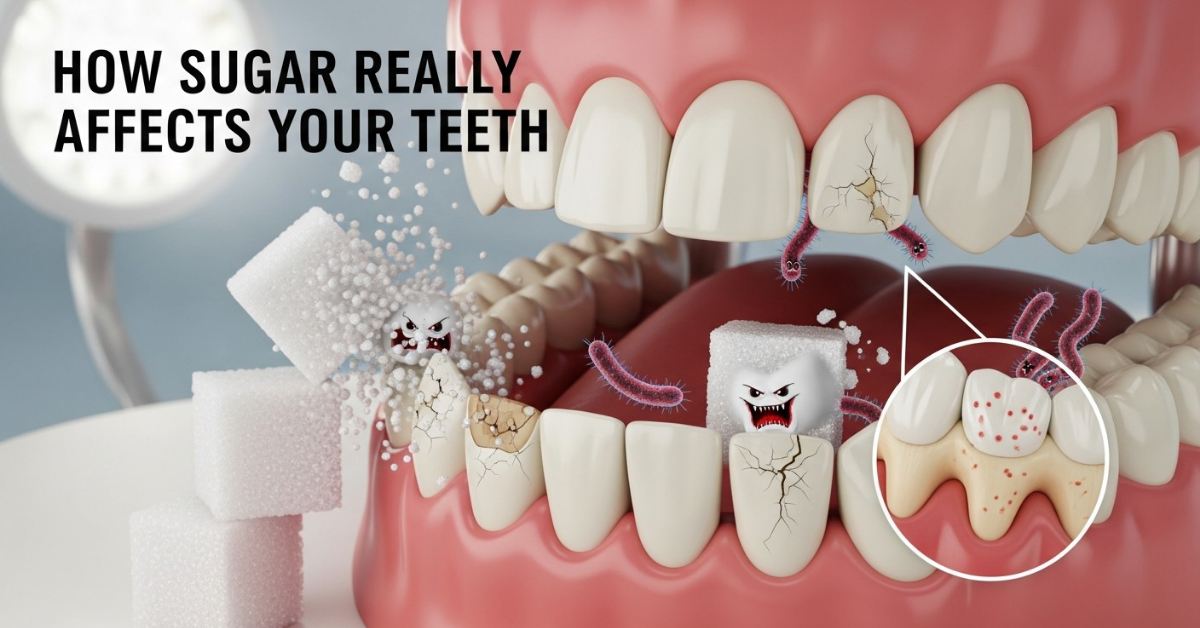
Many people know that sugar leads to cavities, but the way it happens is more complicated than it seems.
Sugar Feeds Harmful Bacteria
Your mouth naturally contains bacteria.When you eat sugary foods or drinks, bacteria feed on the sugar and produce acids as a byproduct. These acids attack your tooth enamel, gradually weakening it.
Acid Attacks Lead to Cavities
Acid attacks your teeth for 20 to 30 minutes after you eat sugar. If you consume a sugary drink during a two-hour movie, the acid may attack your teeth multiple times. Your teeth don’t get a break to heal if you snack a lot or drink sugary drinks all day.
Hidden Sugars Are the Biggest Threat
A lot of foods that look “healthy” have hidden sugars in them. Flavored yogurts, granola bars, sports drinks, breakfast cereals, and fruit juices or smoothies are some of these. People often talk about how good kombucha is for your health and how it has probiotics in it, but it can be surprisingly high in sugar, especially if it’s sweetened or flavored. The sugars in these foods and drinks can hurt your teeth just as much as candy or soda.
The Role of Acidic Foods and Drinks
Sugar isn’t the only thing that can harm your teeth. Acidic foods and drinks can wear down enamel even if they don’t have sugar.
Common acidic foods and drinks can contribute to enamel erosion, making teeth sensitive, discolored, and more prone to cavities. Remember, lost enamel cannot grow back.
Here are some common acidic offenders:
– Citrus fruits (lemons, oranges, grapefruits)
– Tomatoes and tomato sauces
– Coffee and tea
– Soda and energy drinks
– Wine
Sugar and Inflammation
Eating a lot of sugar can make your body more inflamed, even your gums. This inflammation throughout the body is the same thing that causes several long-term diseases, such as heart disease. It can cause problems in the mouth, such as gingivitis (early gum disease), bleeding gums, and swollen or sore gum tissue. Knowing how this connection works can help you make healthier food choices that are beneficial for your teeth and your health in general.
Vitamin Deficiencies and Gum Disease
If you don’t get enough important nutrients, your immune system may not work as well, which makes it harder to fight mouth infections. You need vitamin C (to stop bleeding gums), vitamin D (for strong bones and teeth), calcium (to make teeth and jaws stronger), and omega-3 fatty acids (to lower inflammation) for healthy gums.
How Frequent Snacking Hurts Your Teeth
It’s not only about what you eat, but also how often you eat.
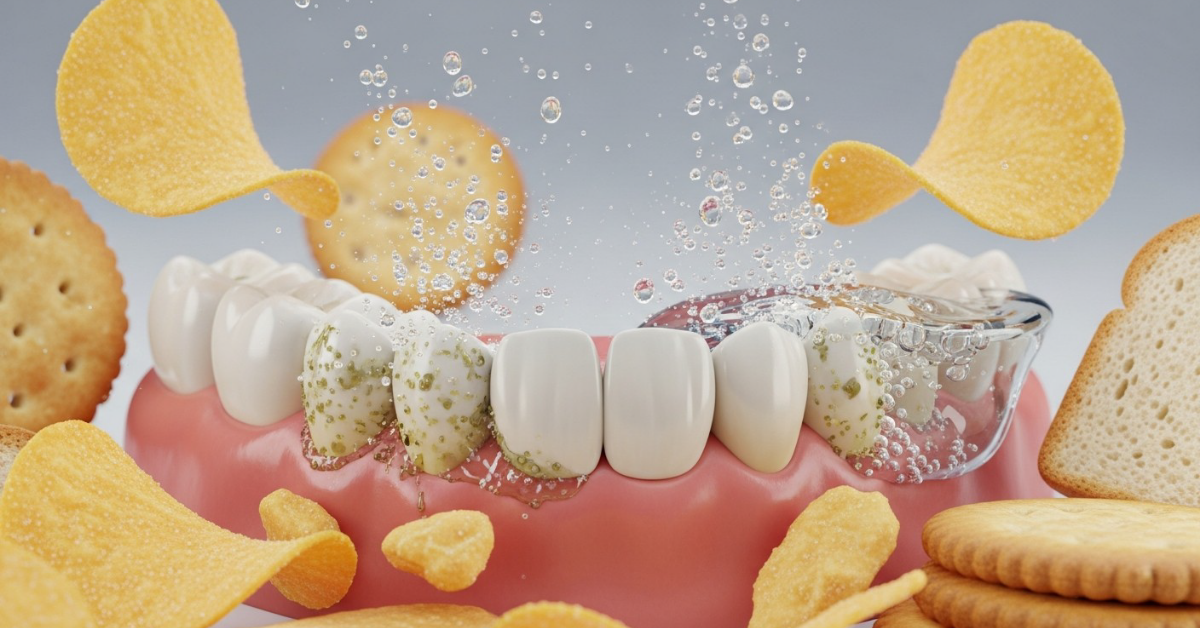
Frequent snacking, especially on sugary or starchy foods, exposes your teeth to repeated acid attacks. Foods like chips, crackers, and bread break down into sugars and stick to tooth surfaces,
prolonging damage.
If you wait between meals, your saliva can help neutralize acids and naturally repair your enamel.
Teeth-Friendly Foods That Protect Your Smile
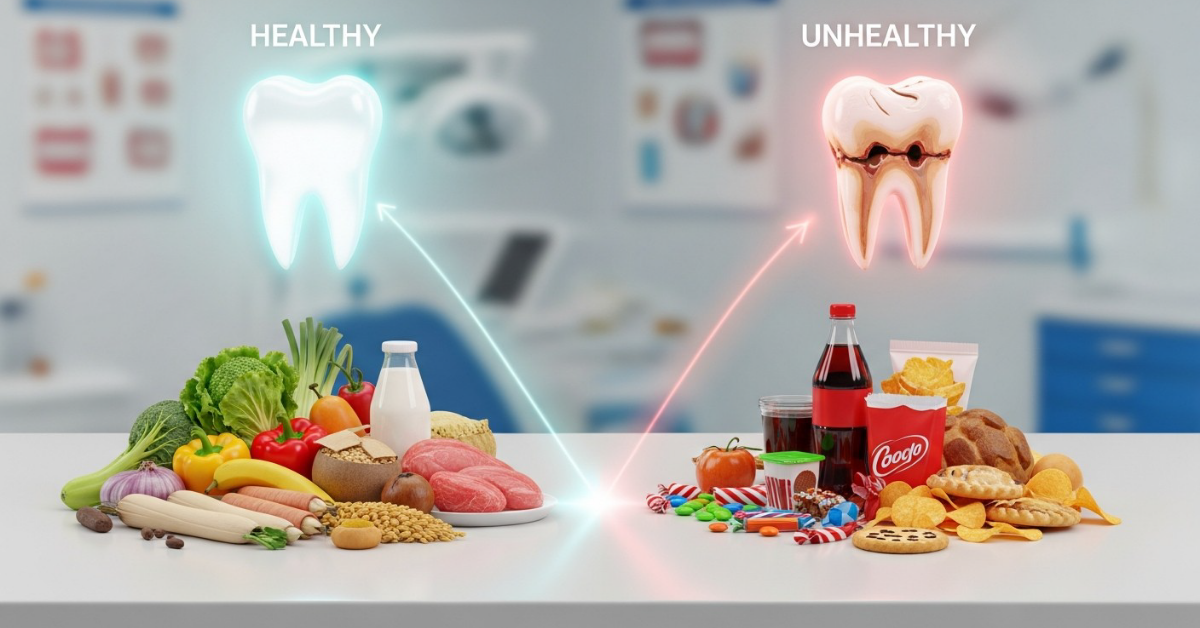
The good news is that some foods can actually help protect your teeth and gums. Dairy products like milk, cheese, and yogurt are good for your teeth because they are high in calcium and phosphorus. Spinach and kale are two leafy greens that are full of vitamins and minerals. Fruits and vegetables that are crunchy, like apples, carrots, and celery, help clean your teeth and make your mouth water. Nuts and seeds are good sources of minerals, and lean proteins like fish, eggs, and chicken help your body heal.
Cheese, in particular, helps neutralize acids and strengthen enamel, making it one of the most tooth-friendly snacks.
The Importance of Water for Oral Health
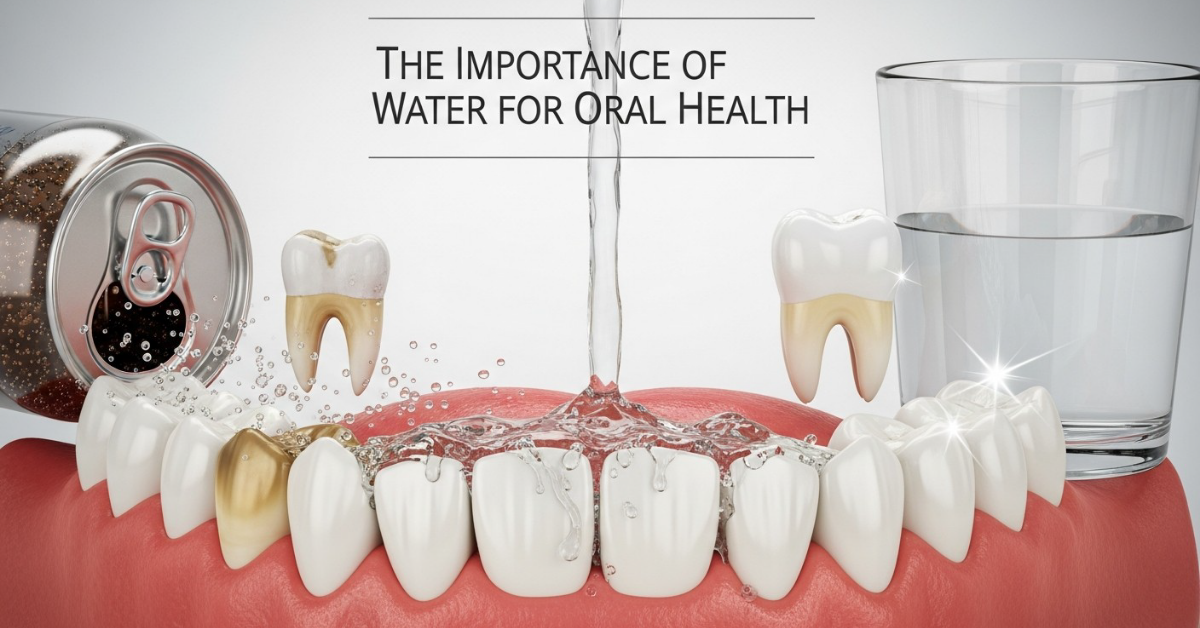
Water is often overlooked, but it plays a vital role in maintaining a healthy mouth.
Drinking water helps wash away food, dilute acids, stimulate saliva production, and prevent dry mouth. Fluoridated water can also strengthen enamel and reduce your risk of cavities. Compared to soda, which has a low pH and high sugar content, water emerges as a clear choice for oral health. While soda’s acidity and sugar can harm enamel and increase the risk of cavities, water neutralizes acids and strengthens teeth, making it one of the simplest ways to protect your teeth.
Smart Eating Habits for Healthier Teeth
You don’t have to cut out sugar completely. Moderation and timing are important. Here are some simple tips: Eat sugary foods with meals instead of as snacks, don’t sip sugary drinks all day, rinse your mouth with water after eating acidic foods, wait 30 minutes before brushing after acidic meals, choose whole foods instead of processed snacks, and chew sugar-free gum after meals to boost saliva and lower acid.
Why Regular Dental Visits Still Matter
Even if you eat well, you still need to see a dentist regularly. Your dentist can spot early signs of decay or gum disease, remove hardened plaque (tartar), give you personalized advice on what to eat and how to care for your teeth, and protect your enamel with fluoride treatments if you need them. At DentalFlorida.com, the main goal is to help patients keep their smiles healthy for life through preventive care.
Final Thoughts: Your Diet Shapes Your Smile
You might not realize how much what you eat and drink every day affects your teeth. Eating too much sugar and acidic foods and snacking can slowly damage enamel and lead to cavities or gum disease. But eating a healthy, balanced diet can make your teeth stronger, protect your gums, and help keep your mouth healthy.
You can keep your smile healthy for life by eating well and going to the dentist on a regular basis. Schedule a dental exam with Pinellas Family Dental today if you’re worried about how your diet might be hurting your teeth. This is the first step toward a stronger, brighter smile.

National Dentist’s Day: Honoring the Doctors Who Protect Your Smile
We celebrate the dedication, skill, and care that dentists show every day to keep our smiles healthy and bright. Every day, caring and
National Nutrition Month- The Link Between Diet and Dental Health
When we think about nutrition, the first things that typically come to mind are heart health, weight management, or perhaps energy levels. But did you

The Heart of Our Dental Team: Celebrating Our Dental Assistants
A young patient clings anxiously to her mother’s hand as she enters the bright treatment room, her large eyes revealing her worry about her first-ever

Effective Sleep Apnea Treatment with Dynaflex Dental Sleep Devices
At Pinellas Family Dental, we know that good sleep is foundational to your health, energy, and daily life. For many patients dealing with chronic snoring
Top Dental Habits Every Child Should Learn at Home
The most important thing for a child’s oral health is their parents. Going to the dentist is important, but the daily dental habits kids learn

National Children’s Dental Health Month: Building Healthy Smiles from an Early Age
February isn’t just about Valentine’s Day—it’s also National Children’s Dental Health Month, a time dedicated to raising awareness of the importance of children’s oral health.
